

Landscaping vs Hardscaping: What’s the Difference?
For anyone investing in landscaping Wichita KS homeowners want, knowing where hardscape ends and softscape begins clarifies what you are buying. The terms get thrown around interchangeably, but landscaping and hardscaping describe two different halves of your outdoor space, and understanding the difference helps you plan a better project. For anyone investing in landscaping in Wichita KS, knowing where hardscape ends and softscape begins clarifies what you are buying, how it is built, and how the pieces should work together. This article explains the difference in plain terms, why both matter, and how the best outdoor spaces balance the two into one cohesive design.
| Element | Hardscaping | Softscape or landscaping |
|---|---|---|
| What it is | Built stone and paver features | Living lawn, trees, beds |
| Purpose | Structure and usable space | Color, life, softness |
| Examples | Patios, walls, walkways | Grass, shrubs, flowers |
| Maintenance | Low and occasional | Ongoing and seasonal |
| Lifespan | Decades | Grows and changes |
Landscaping Wichita KS vs hardscaping, defined
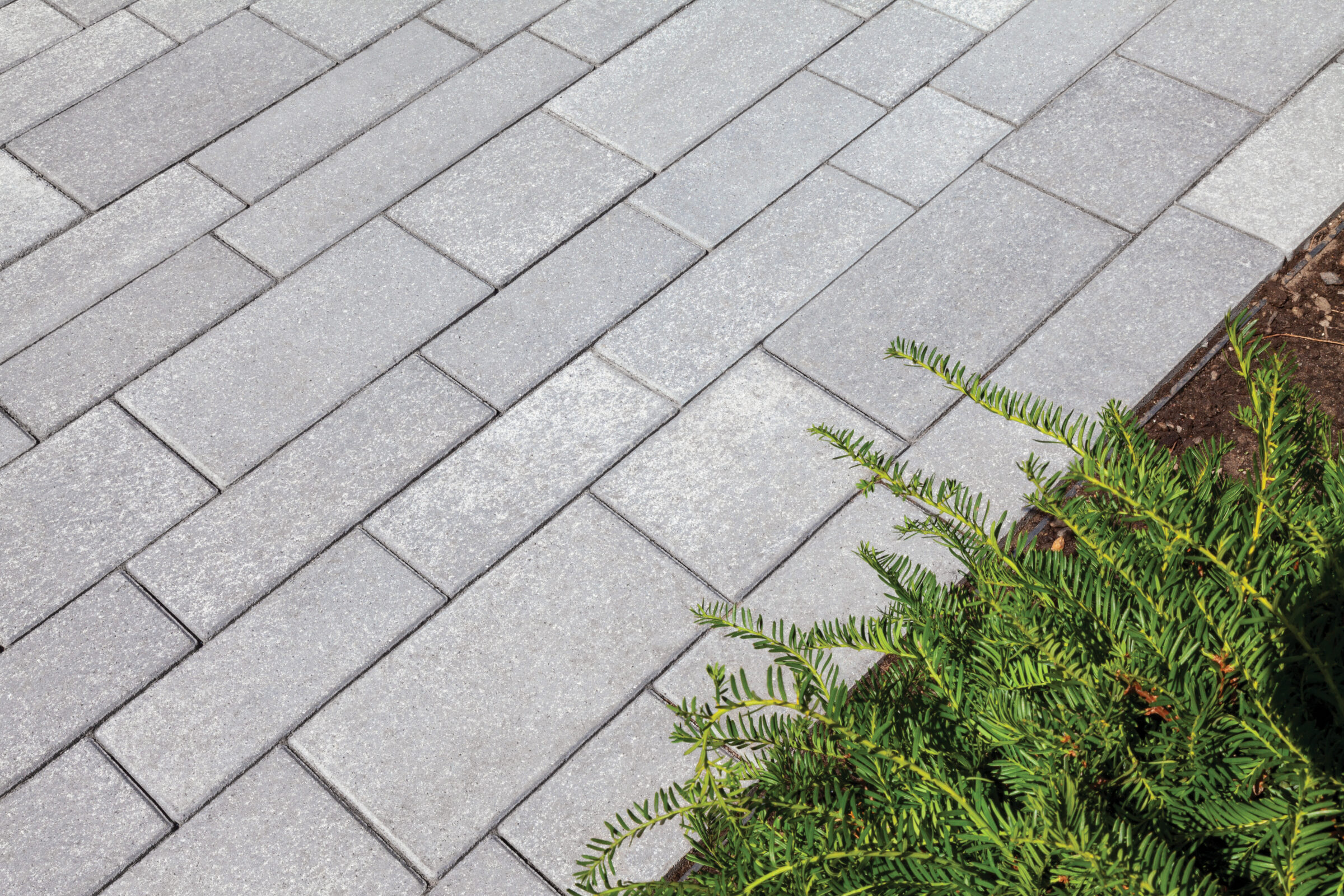
In simple terms, hardscaping is the built, non living part of your landscape, patios, walls, walkways, steps, fire features, and other structures, usually made of stone, pavers, or concrete. Softscape, or what people often just call landscaping, is the living part, the lawn, trees, shrubs, flowers, and beds. Both together make up your full landscape. Hardscape gives you structure and usable space. Softscape gives you life, color, and softness. A complete outdoor design needs both, and understanding which is which helps you plan and budget clearly.
Think of hardscape as the rooms and floors of your outdoor home, and softscape as the furnishings and greenery that bring them to life.
What hardscape does for a yard
Hardscape creates the usable structure of an outdoor space. A patio gives you a place to gather, walls solve grade and add seating, paths connect everything, and features like fire pits give the space a center. Because it is built to last and bears real use and weather, hardscape is where construction quality matters most, the base, the drainage, the standards. It is the durable skeleton that the rest of the landscape hangs on, and it is usually the larger investment, which is why building it right is so important.
What softscape brings
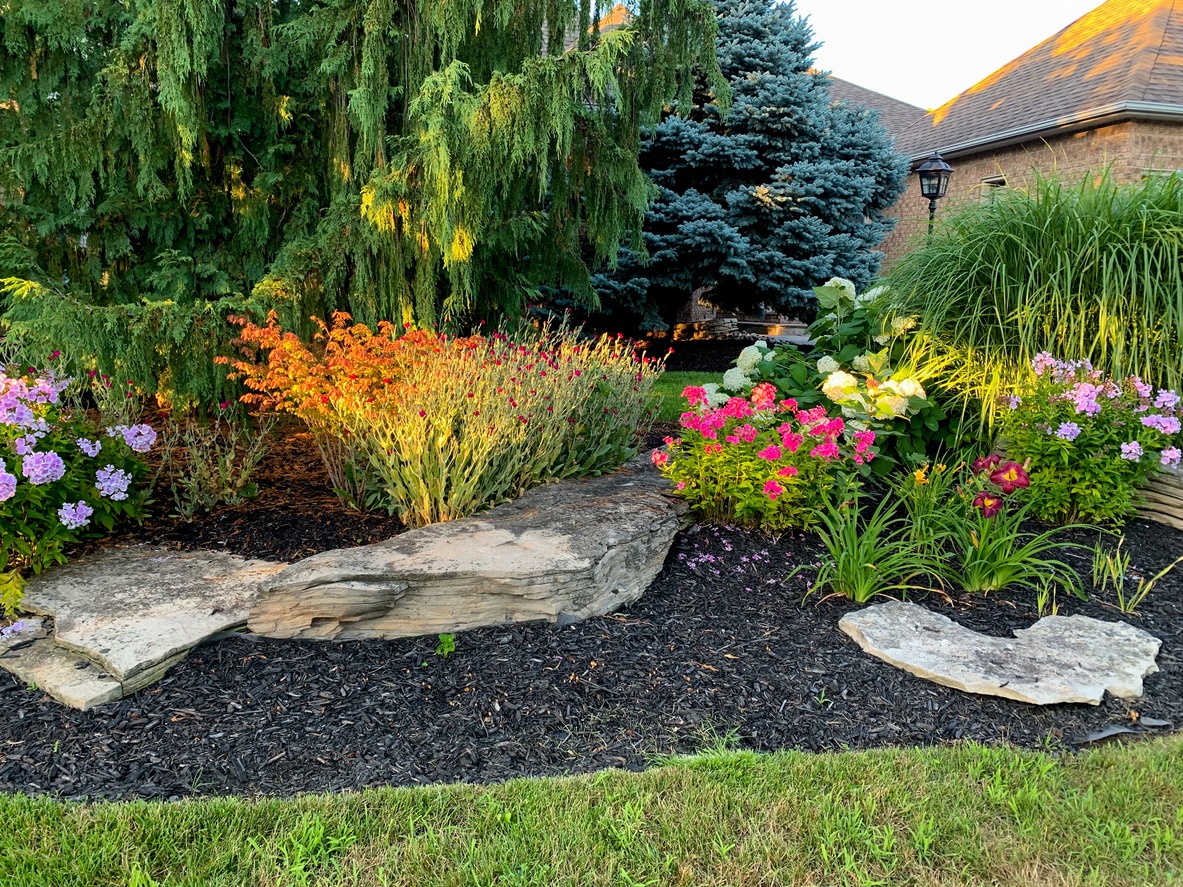
Softscape is what makes a yard feel alive and welcoming. Lawn gives open space and a place for kids and pets, trees provide shade and scale, and beds and plantings add color, texture, and seasonal change. Softscape softens the hard edges of the built elements and connects the space to nature. It also evolves over time as plants mature, which gives a landscape its sense of growth and life. Where hardscape is fixed and structural, softscape is dynamic and living, and a yard needs both to feel complete.
How the two work together
The magic is in the balance. Hardscape without softscape feels stark and paved over. Softscape without hardscape lacks structure and usable space. The best designs use hardscape to create the bones, patios, paths, walls, then use softscape to soften, frame, and enrich them. A patio edged with planting beds, a walkway winding through gardens, a wall with a border of greenery, these combinations are what make a landscape feel designed and complete rather than one dimensional.
Planning a project that includes both
When you plan an outdoor project, it helps to think about both halves from the start even if you build in phases. Getting the hardscape right first makes sense, since it is structural and hard to change later, but designing the softscape alongside it ensures the whole thing works together. Coordinating the two, so beds sit where they belong and paths lead where you actually walk, is what separates a cohesive landscape from a patio dropped into a lawn. Both deserve a place in the plan.
Getting the balance right for your yard
The art of a complete landscape is proportion, how much built space against how much green. Too much paving can feel stark and hot, while too much unstructured planting can feel shapeless and high maintenance. The right balance depends on your lot and how you use it: a family that entertains wants more usable hardscape, while a gardener wants more bed and border. Most satisfying yards use hardscape to create the structure and usable rooms, then soften and enrich them with plantings.
Reading that balance for a specific property is where design experience shows. A patio edged with planting beds, a walkway threading through gardens, a wall backed by greenery, these combinations feel complete because the built and the growing support each other. Planning both halves together, even when the hardscape goes in first, is what keeps a yard from feeling like a slab dropped into a lawn, and instead makes it feel like a landscape that was designed as a whole.
Common questions about landscaping vs hardscaping
Which should I invest in first? Usually the hardscape, because it is structural, hard to change later, and the foundation the rest of the landscape builds around. Designing the softscape alongside it ensures the two work together.
Can too much hardscape hurt my yard? It can feel stark and can affect how water drains if it is not designed well. The goal is balance, using hardscape for structure and usable space while keeping enough softscape to feel alive and manage water.
Planning both halves from the start
Even when hardscape goes in first, the softscape belongs in the plan from day one. Deciding where beds, trees, and lawn will live while you design the patio, walls, and paths ensures the two halves work together rather than competing, so a bed lands where it frames the patio and a path leads to where you will actually walk. Retrofitting plantings around finished hardscape, or squeezing hardscape into an existing landscape, almost always feels more forced than designing both together.
This whole yard approach is what produces a landscape that feels complete and intentional. The structure of the hardscape and the life of the softscape reinforce each other, giving the space both usable form and natural richness. Thinking about both from the beginning also helps with budgeting and phasing, since you can sequence the work sensibly. Whether you build it all at once or over time, planning the built and the growing as one design is the surest path to a yard that truly comes together.
Related reading from Bluestone
- How to Plan a Backyard Renovation in Wichita Without Regret
- How to Build a Backyard That Feels Like an Extension of Your Home
- Why Custom Landscape Design Beats Copy-Paste Backyard Ideas
The Bluestone difference and your next step
We design and build the hardscape to recognized ICPI and Unilock standards and coordinate it with the softscape so your whole landscape works as one. See how the built and the growing come together on our outdoor living enhancements page. To plan a complete outdoor space for your Wichita home, request a consultation and we will help you balance hardscape and softscape into one cohesive design.
Tags: