

Fire Pit Installation in Wichita: Gas or Wood Burning?
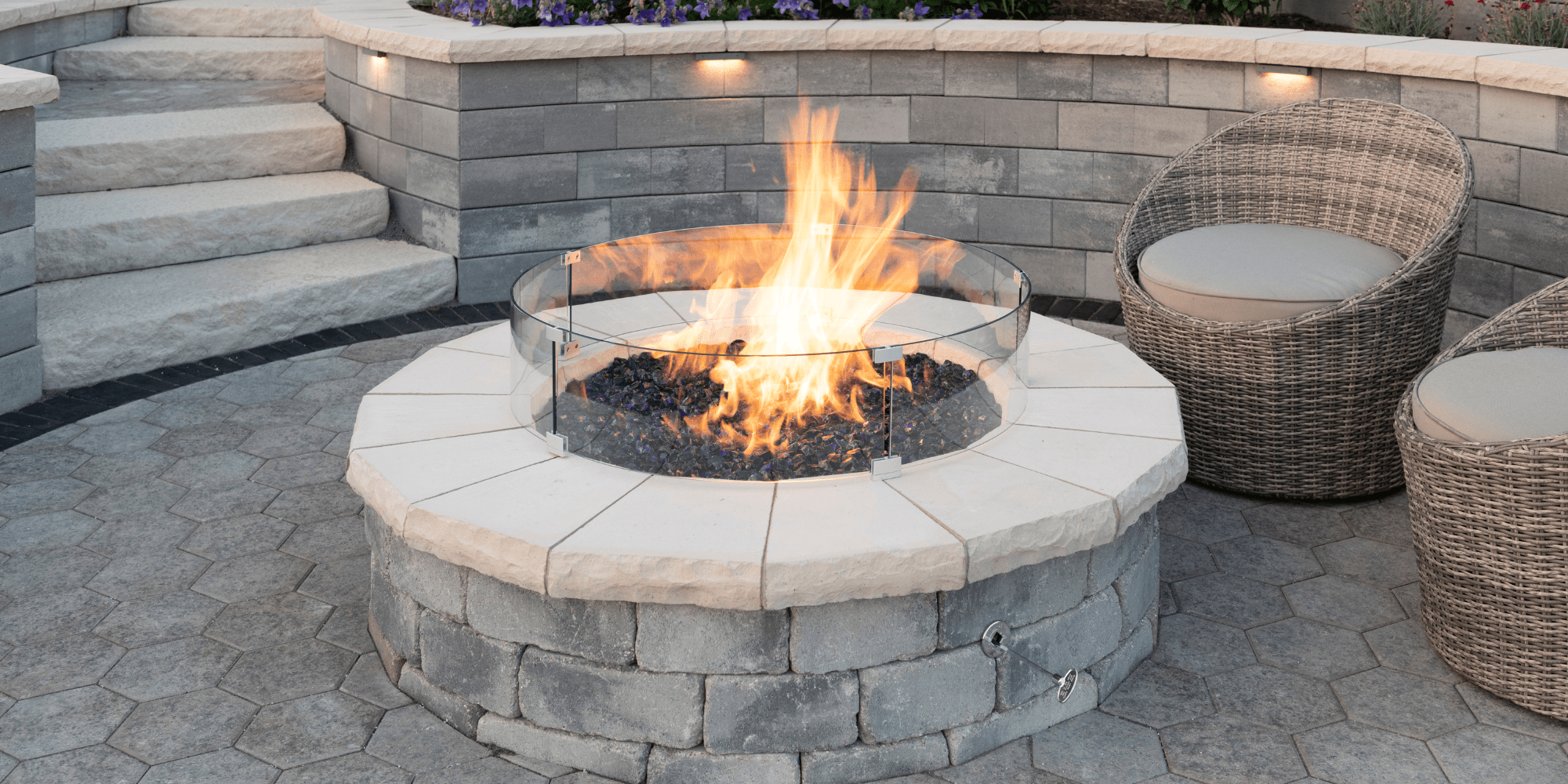
Before any fire pit installation Wichita homeowners plan, one decision shapes everything else: gas or wood burning. A fire pit is one of the best additions you can make to a backyard in our climate, because it pulls people outside from the first warm evening of spring through the last crisp night of fall. But before any fire pit installation in Wichita, there is one decision that shapes everything else: gas or wood burning. Each has real advantages and real tradeoffs in cost, convenience, ambiance, and upkeep. This article lays out the honest comparison so you can choose the fire feature you will actually use, and build it into your patio the right way.
| Factor | Gas | Wood burning |
|---|---|---|
| Convenience | Instant on and off | Build and tend the fire |
| Ambiance | Clean, controlled flame | Crackle, scent, bigger fire |
| Mess | None | Ash and smoke |
| Running cost | Low, needs a gas line | Buy and store wood |
| Best for | Frequent, easy use | The ritual of a real fire |
Fire pit installation Wichita homeowners plan: the core choice
Gas and wood burning fire pits deliver the same warmth and gathering point in very different ways. A gas fire pit lights instantly with a switch or knob, burns clean with no smoke or ash, and gives you precise control over the flame. A wood burning fire pit delivers the crackle, the smell, and the bigger, more primal fire that many people associate with a real campfire, at the cost of more work and more mess. Neither is simply better. The right one depends on how you will use it and what you value in the experience.
Start by picturing a typical evening. If it is a quick, spontaneous half hour after dinner, gas wins. If it is a planned gathering where tending the fire is part of the fun, wood may be the one.
The case for a gas fire pit
Gas is about convenience and control. It lights instantly, so a fire is a five second decision rather than a project, which in practice means you use it far more often. There is no smoke to chase you around the seating, no ash to clean out, and no wood to buy, split, and store. You can turn it off the moment you head inside. For homeowners who want fire to be easy and frequent, and who do not want to deal with the mess, a gas fire pit is usually the more practical choice and the one that gets used the most.
The case for a wood burning fire pit
Wood is about atmosphere. Nothing replicates the crackle, the scent, and the dancing flame of a real wood fire, and for many people that is the whole point. Wood pits also tend to throw more heat and a bigger fire, which is welcome on a cold Kansas night. The tradeoffs are real: you have to source and store wood, tend the fire, wait for it to build, deal with smoke depending on the wind, and clean out ash afterward. For those who love the ritual, that work is part of the appeal rather than a chore.
Cost, safety, and placement
Gas fire pits generally cost more to install because they require a gas line and proper connections, which is work for a professional, but they cost little to run and nothing to stock. Wood pits are simpler and cheaper to build but come with ongoing wood costs and more involved safety around embers. Either way, placement matters: a fire feature needs safe clearance from the house and combustibles, sensible positioning relative to prevailing wind, and integration with the patio so the seating works around it. These are details worth getting right at the design stage.
Designing the fire feature into the patio
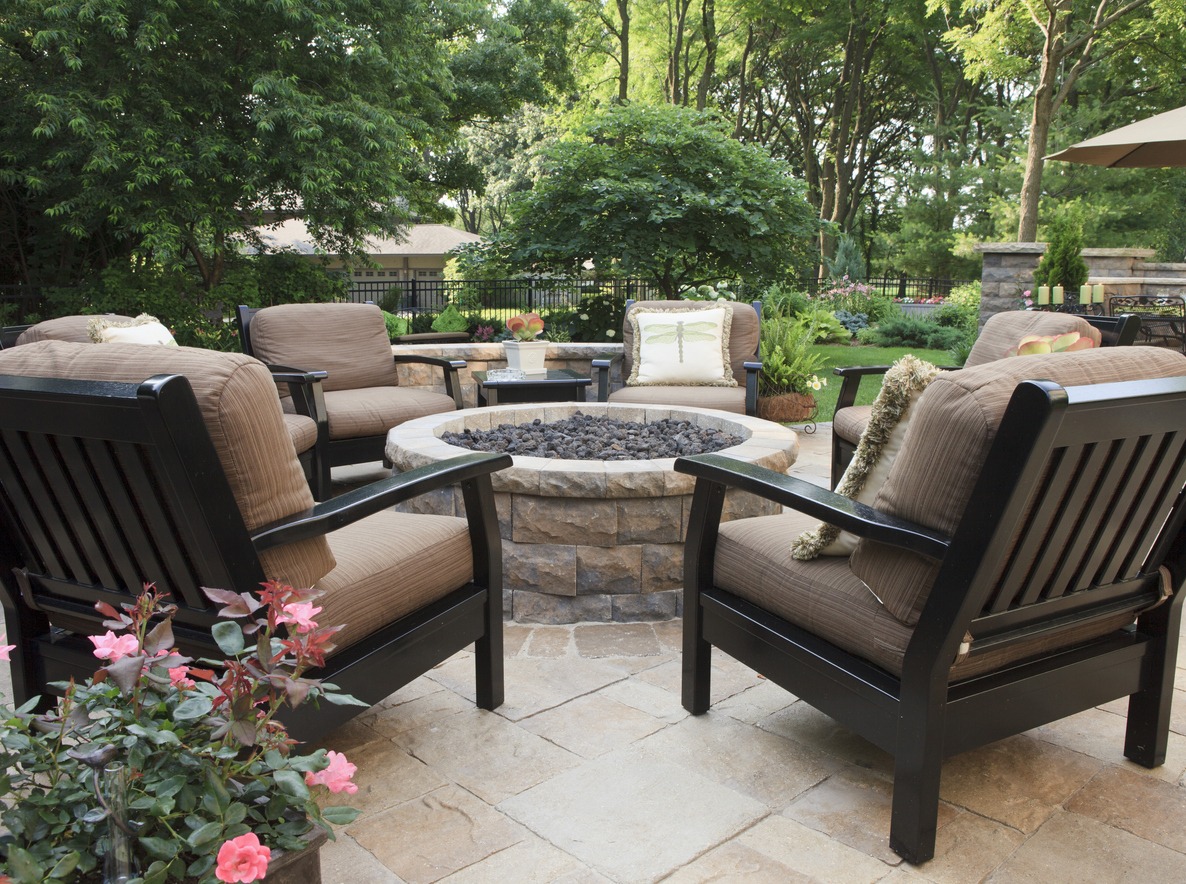
The best fire pits do not look added on, they look built in, because they were designed with the patio from the start. That means sizing the surrounding patio for seating around the fire, choosing materials that coordinate with the paving and any walls, and running any gas line before the pavers are set rather than tearing them up later. A fire feature planned into the overall design becomes the natural heart of the space, which is exactly what you want from it.
Fuel, hookups, and long term running costs
Part of the gas or wood decision comes down to what happens after the install. A gas fire pit needs a gas line run to it, which is professional work best done before the pavers are set, but once it is in, the running cost is low and there is nothing to store or haul. A wood pit has no hookup and a lower build cost, but it carries an ongoing cost in buying, splitting, and storing wood, plus the time to tend and clean it.
Neither is dramatically expensive to run, but they spend your effort and money differently. Gas trades a higher install cost for near zero hassle, which in practice means you use it far more often. Wood trades convenience for atmosphere and a lower upfront number, rewarding those who genuinely enjoy the ritual of building and tending a fire. Being honest about which of those describes you is the fastest way to the right choice.
Common questions about fire pit installation in Wichita
Are backyard fire pits allowed in Wichita? Rules on open flame and fire features vary by location and can change, so a reputable contractor builds to the applicable codes and clearances and can advise on gas versus wood in light of them. Proper placement and safe clearances are part of a good installation either way.
Which gets used more, gas or wood? For most homeowners, gas, simply because lighting a fire becomes a five second decision instead of a project. If frequent, spontaneous use is the goal, gas usually wins. If the fire itself is the event, wood has the edge.
Getting the most use out of your fire feature
The fire pits that get used the most are the ones designed around real habits. Sizing the surrounding patio so seating fits comfortably around the fire, positioning it where prevailing wind will not blow smoke into the seating, and keeping it an easy step from the back door all make the difference between a feature you light constantly and one you rarely bother with. For gas especially, the convenience of a quick, clean fire is what turns it into a regular part of your evenings.
It also helps to think about the whole setting, not just the fire. Comfortable seating, a bit of lighting so the area works after dark, and a surface built to handle heat and weather round out a fire feature into a true gathering spot. When the fire, the seating, and the space are designed together from the start, the result is a place people naturally drift to and stay, which is exactly the return a well planned fire feature is meant to deliver.
Related reading from Bluestone
- 5 Outdoor Kitchen Features Wichita Homeowners Actually Use
- How to Design an Outdoor Living Space That Works Year-Round
- Outdoor Living Space Ideas for Wichita Backyards
The Bluestone difference and your next step
We build fire features that fit the patio and the way you will use them, gas or wood, integrated into a cohesive outdoor design. Bluestone builds to recognized ICPI and Unilock standards and coordinates materials so the fire pit belongs with the rest of the space. See examples on our outdoor living enhancements page. To plan a fire pit installation in Wichita that you will actually use, request a consultation and we will help you choose gas or wood and design it into your patio.
Tags: