

How Long Do Paver Patios Last in Wichita?
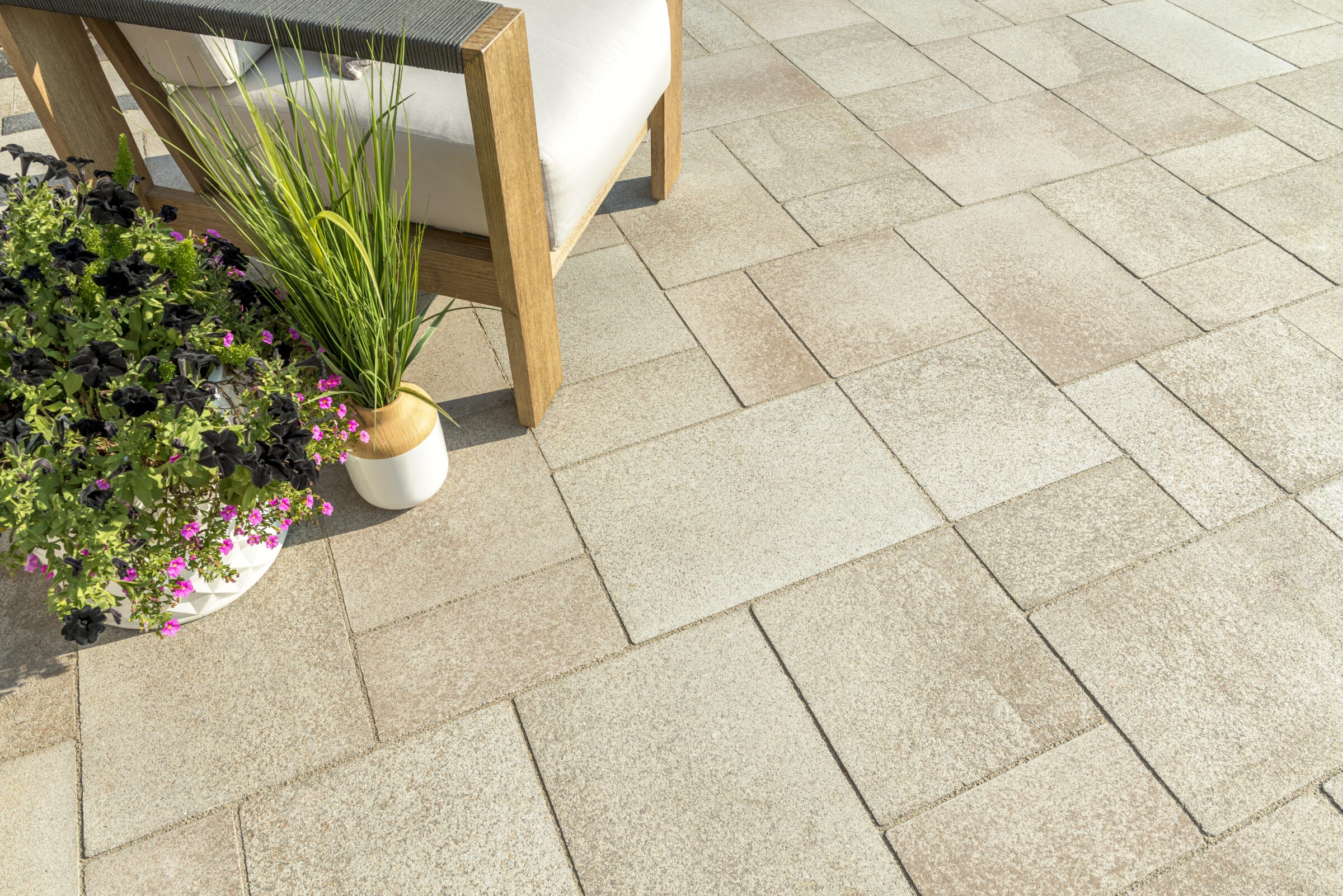
Before you invest in a patio, it is smart to ask how long do paver patios last, because the answer tells you whether you are buying something for a few seasons or for the next several decades. The honest answer is that a properly built paver patio can last thirty years or more, even in a climate as demanding as Wichita’s, while a poorly built one can start failing in just a few. The gap between those outcomes is not luck. It comes down to a handful of decisions made before and during the build, and this article walks through each one so you know what to look for.
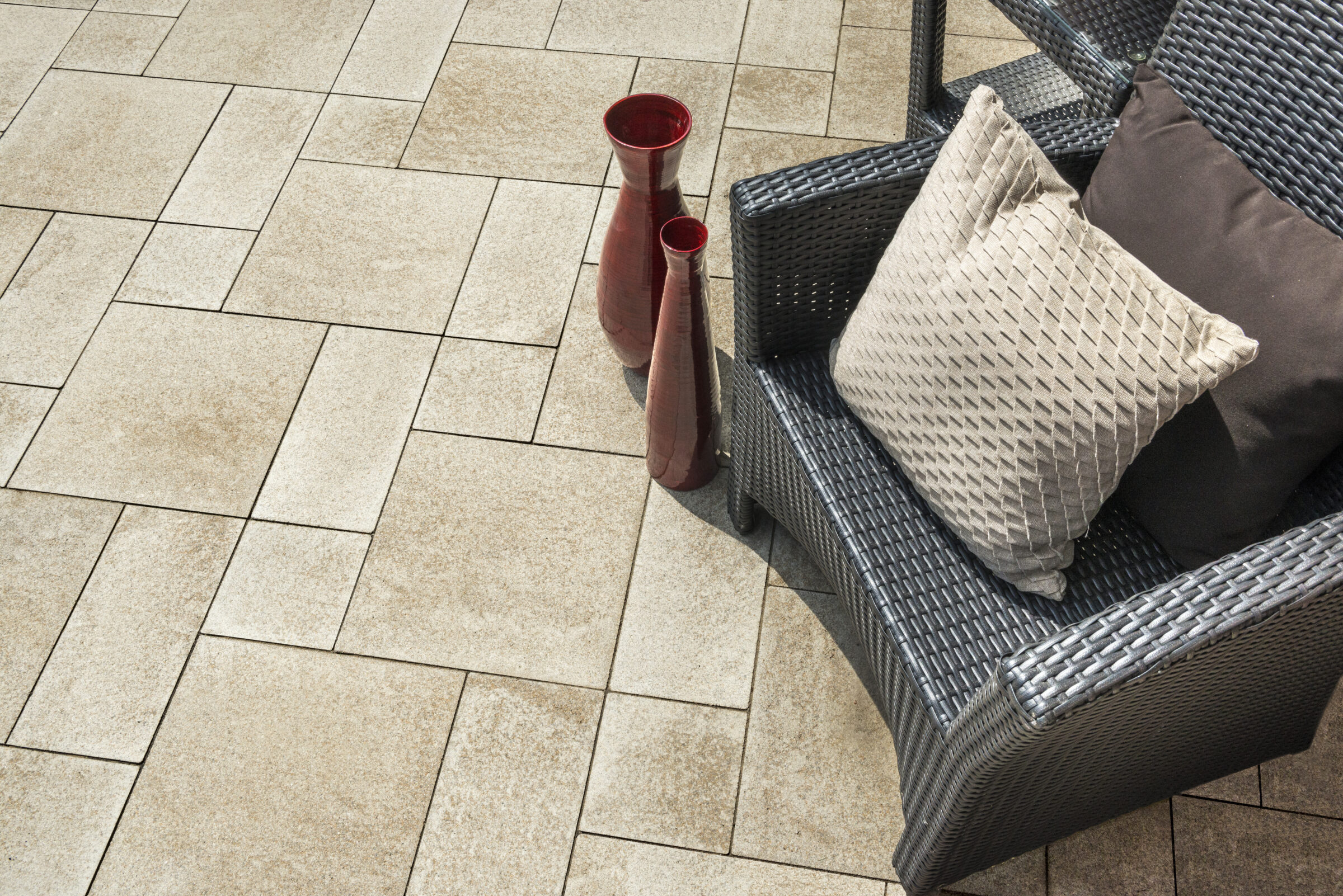
How long do paver patios last when they are built right?
A paver patio installed to recognized ICPI standards, on a properly compacted base, with quality pavers and correct edge restraint, commonly lasts thirty years or more. The pavers themselves can outlast that, since the individual units are extremely durable, and the reason a patio ages at all usually comes down to the base and the details rather than the stone. In practical terms, a patio we build today should still be flat, solid, and good looking long after the mortgage that paid for it is gone.
That longevity is exactly why the upfront investment makes sense. Spread over thirty years, a quality patio is one of the better values in home improvement.
What shortens a paver patio’s life
When a paver patio fails early, it is almost always one of a few causes. Here are the ones we see most often:
- A shallow or poorly compacted base. This is the number one killer. Too little aggregate, or a base dumped and leveled instead of compacted in lifts, lets the surface settle and heave.
- Bad drainage. Water that pools or runs toward the house undermines the base and accelerates frost damage.
- No edge restraint. Without a solid edge, pavers migrate outward over time and the joints open up.
- Cheap pavers. Porous bargain units spall and fade fast in our freeze and thaw climate.
- Rushed workmanship. Skipped compaction passes and sloppy jointing show up within a few seasons.
Why Kansas freeze and thaw is the real test
Our climate is what separates patios that last from patios that do not. The ground here freezes and thaws repeatedly all winter, and each cycle tries to lift and move whatever sits on top of it. A patio built on a flexible, properly compacted base rides that movement and settles back flat. A patio built on a rushed base has nowhere to distribute the stress, so it heaves, cracks joints, and goes uneven. Longevity in Wichita is really a measure of how well the base was built to handle frost.
How maintenance extends the lifespan
A paver patio does not need much, but a little care goes a long way. Keeping the joints filled with the right sand, cleaning off organic buildup, and resealing every few years if you choose to seal all help the surface last and look its best. Because pavers are modular, even a section that does settle can be lifted and reset rather than replaced, so a maintained paver patio can effectively be renewed in spots instead of torn out. That repairability is a big part of why the lifespan is so long.
Protecting your investment from day one
The best time to guarantee a long lifespan is before the first paver is placed. Hiring a contractor who builds to ICPI standards, insists on proper base depth and compaction, handles drainage correctly, and uses quality pavers is what locks in those thirty plus years. Everything after that is minor upkeep. The homeowners who get the longest life out of their patios are the ones who invested in the structure underneath rather than chasing the lowest bid.
How a quality patio ages over the decades
A well built paver patio does not simply last, it ages gracefully. In the early years it stays flat and tight because the base was compacted correctly and the edges were restrained. As the decades pass, the pavers themselves remain extremely durable, and any minor settling from ground movement can be corrected by lifting and resetting the affected area rather than replacing the patio. Sealing, if you choose it, keeps the color rich and the surface easy to clean.
By contrast, a patio built on a shortcut base shows its age fast, with heaved sections, opening joints, and spalling on cheap pavers. The difference is not the passage of time, it is how the patio was built. A patio that is still flat and handsome at twenty five years is not lucky, it is the predictable result of a proper base, good drainage, and quality materials installed to standard.
Common questions about paver patio lifespan
What is the single biggest factor in how long a patio lasts? The base. A properly built, compacted aggregate base is what keeps a patio flat through freeze and thaw, and it is the most common place cut rate crews save money. Everything else sits on top of that decision.
Does sealing make a patio last longer? Sealing mainly protects appearance, helping with stain resistance and color, and it can make maintenance easier. The structural lifespan comes from the base, drainage, edge restraint, and paver quality rather than from sealing, though sealing is a reasonable way to keep the surface looking its best.
What a lifetime of use really costs
It is worth thinking about a patio in terms of lifetime value rather than upfront price alone. A patio that lasts thirty years spreads its cost across three decades of evenings outside, gatherings, and curb appeal, and because pavers are repaired rather than replaced, that lifespan rarely ends in a full, disruptive tear out. Divided over all those years of use, a quality patio is one of the better values in home improvement, even though the initial number is larger than a cheap alternative.
The contrast is a bargain surface that fails early and has to be redone, which resets the clock and the cost while giving you a worse looking space in the meantime. When you weigh the durable, long lived option against the one you may have to replace, the cost per year of service usually favors building it right the first time. That long view is the honest way to judge what a patio is worth to you.
Related reading from Bluestone
- How to Prepare Your Yard for a Patio Installation in Wichita
- Why Homeowners Choose Unilock Pavers in Wichita
- Common Mistakes to Avoid with Patio Installation in Wichita
The Bluestone difference and your next step
We build patios to last because we treat the base, drainage, and edge details as the real product, not an afterthought. Bluestone installs to recognized ICPI and Unilock standards and uses Unilock pavers engineered for Kansas freeze and thaw, so your patio has the best possible shot at thirty years and beyond. See our work on the outdoor living enhancements page. If you want a patio built to last a generation rather than a few seasons, request a consultation and we will show you exactly how we would build yours.
Tags: