

When Should You Hire a Landscape Contractor in Wichita?
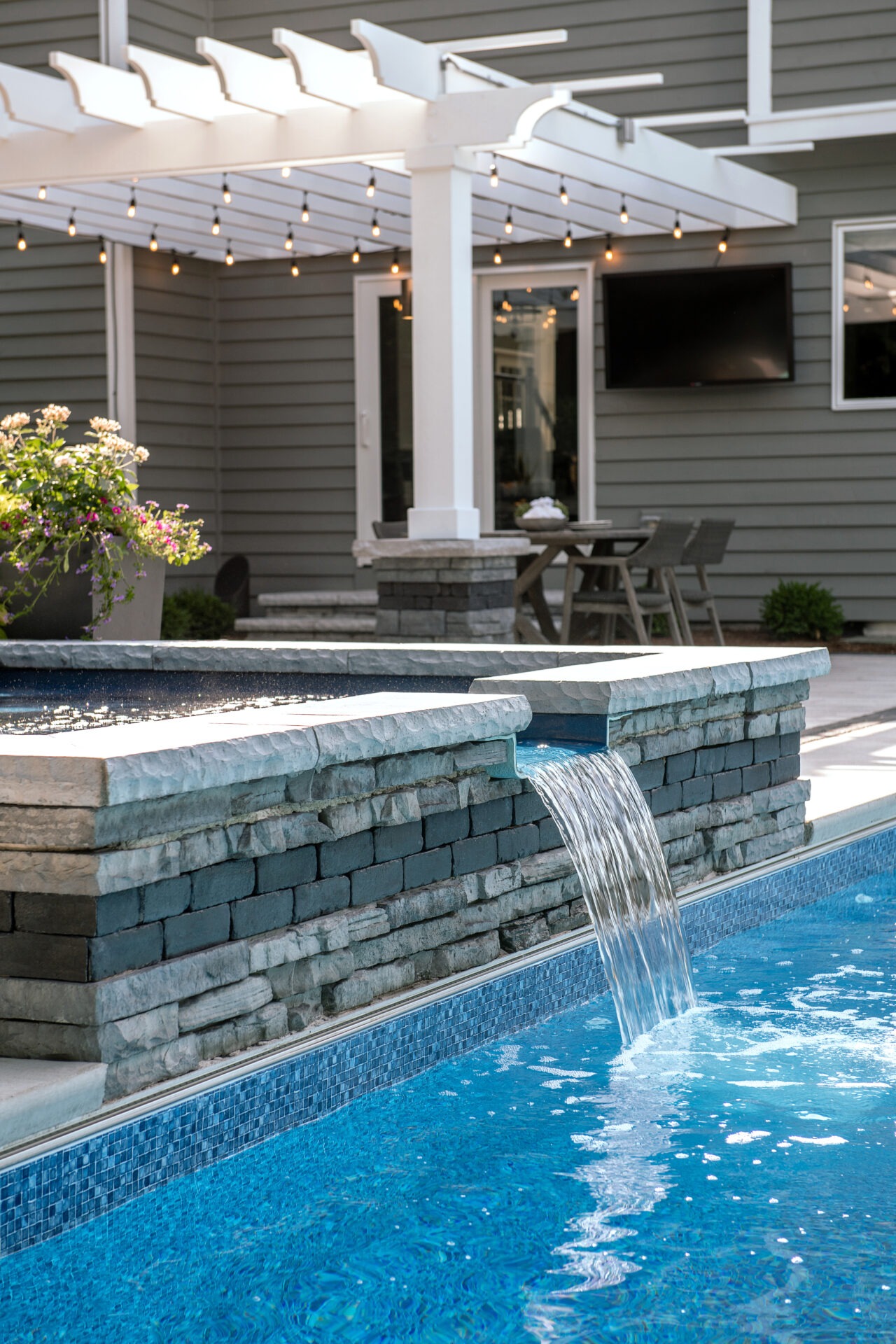
Some jobs are where hiring a landscape contractor Wichita homeowners rely on saves you money, time, and regret rather than costing you. Plenty of yard work is a fine weekend project, but some jobs are where hiring a landscape contractor in Wichita saves you money, time, and regret rather than costing you. The hard part is knowing where that line is. Homeowners often try to do it themselves on projects that really need a professional, and end up with a failed patio or a leaning wall that costs more to fix than it would have to build right. This article lays out the honest signs that a project has crossed into professional territory, so you can spend your own effort where it pays off.
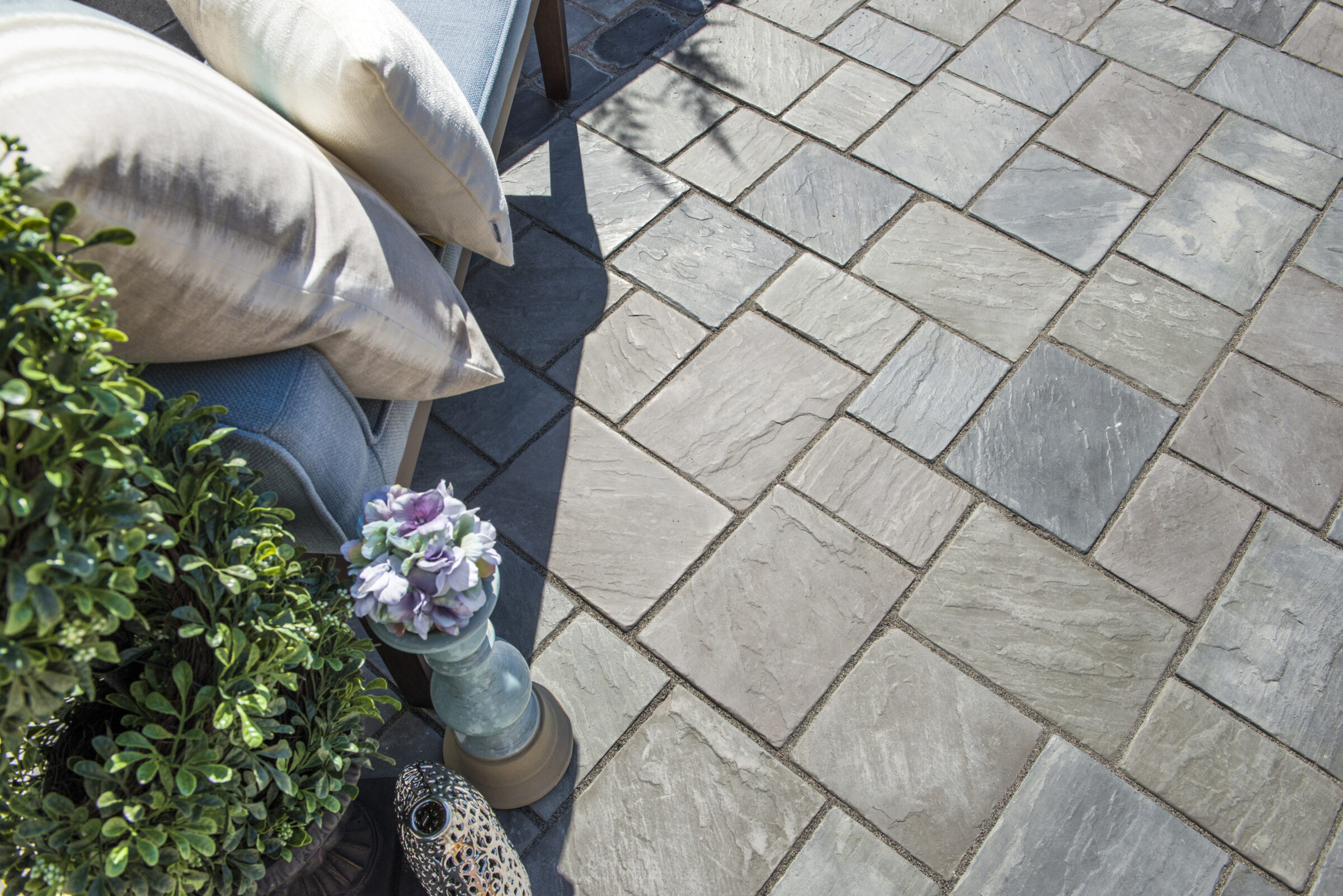
When a landscape contractor Wichita homeowners trust is worth it
As a rule of thumb, the moment a project involves structure, grade, drainage, or a serious budget, it is time to bring in a professional. Planting a few shrubs or mulching a bed is a great DIY afternoon. Building a patio that has to survive freeze and thaw, a wall holding back tons of soil, or a drainage fix that protects your foundation is not, because the cost of getting it wrong is high and often hidden. The dividing line is usually whether a mistake would be cosmetic or structural.
If failure would mean a cracked, heaving, or collapsing installation rather than a plant that did not take, that is the signal to hire out.
Structural projects: patios, walls, and steps
Hardscape that has to bear load and resist our climate is the clearest case for a contractor. A paver patio lives or dies by its base and drainage, which take equipment, experience, and knowledge of ICPI standards to get right. A retaining wall is holding back enormous force and fails dangerously and expensively when built wrong. Steps have to be safe and even. These are not projects where a first timer learns on the job, because the learning shows up as failure a season or two later, and the redo costs more than hiring right would have.
Drainage and grading problems
Water is subtle and unforgiving, and drainage is one of the most common things homeowners underestimate. Getting grade and drainage right takes an understanding of how water moves across your specific site and where it needs to go. Done wrong, a drainage project can send water at your foundation or simply move the problem a few feet. When standing water, erosion, or a wet basement is involved, a professional who can read the site and design a real solution is worth far more than the risk of guessing.
Big budgets and permanent features
The more a project costs and the more permanent it is, the more a professional matters. A significant investment in a feature you cannot easily undo deserves the design skill and build quality that protect it. This is not about capability so much as consequence. A design mistake on a large, permanent installation is expensive to live with and expensive to correct, so the money spent on doing it right the first time is cheap insurance. High stakes projects reward expertise.
What you can still do yourself
Hiring a contractor for the hard parts does not mean you are shut out of your own yard. Plantings, mulching, seasonal color, container gardens, and general upkeep are all satisfying, low risk DIY. Many homeowners hire out the structural hardscape and handle the softscape and maintenance themselves, which is a smart division. The goal is not to outsource everything, it is to match the work to the risk, doing the forgiving jobs yourself and bringing in a pro where a mistake would be costly.
The real cost of getting it wrong yourself
The reason the DIY line matters so much is that on structural work, a mistake is not cosmetic, it is expensive. A patio built on a shallow base heaves and has to be redone. A wall built without drainage leans and eventually fails, taking the soil with it. A drainage fix done wrong can send water at your foundation. In each case the redo costs more than hiring a professional would have in the first place, and you have lost the time and money spent on the first attempt.
That is the honest calculation behind hiring out the hard jobs. It is not that a homeowner could never learn to do them, it is that these projects punish a first attempt, and the learning shows up as failure a season or two later. Spending on professional quality where the stakes are high is cheap insurance against a much larger bill, which is why structure, grade, drainage, and big permanent features are the clearest cases for bringing in a pro.
Common questions about hiring a landscape contractor
What projects are safe to do myself? Plantings, mulching, seasonal color, container gardens, and general upkeep are all low risk and satisfying to handle yourself. The forgiving jobs are a great place to put your own effort.
When is a project definitely a job for a pro? Any time it involves structure, grade, drainage, or a serious budget, a paver patio, a retaining wall, a drainage fix, or a full outdoor living build. Those are the projects where a mistake is costly and often hidden until it fails.
A simple test for the DIY line
When you are unsure whether a project needs a professional, a simple test helps: ask what happens if it goes wrong. If a mistake would be cosmetic, a plant that does not take, a bed that needs rearranging, it is a fine place to learn by doing. If a mistake would be structural, a patio that heaves, a wall that leans, water sent toward your foundation, it belongs with a professional, because the cost and difficulty of fixing it far outweigh any savings from doing it yourself.
This test cuts through most of the uncertainty. Plantings, mulch, seasonal color, and upkeep pass easily and are satisfying to own. Hardscape structure, grade changes, drainage, and large permanent features fail the test, because their mistakes are expensive and often hidden until they surface. Using that single question to sort your project list lets you put your own effort where it is rewarding and low risk, and bring in expertise exactly where a misstep would be costly, which is the sensible division on almost any yard.
Related reading from Bluestone
- How to Choose the Right Landscape Contractor in Wichita
- What Makes a Great Landscape Design for Kansas Homes?
- Landscaping vs Hardscaping: What’s the Difference?
The Bluestone difference and your next step
We take on the projects where professional quality actually matters, hardscape, walls, drainage, and full outdoor living builds, all to recognized ICPI and Unilock standards. We will also tell you honestly when a job is something you can handle yourself. See our work on the outdoor living enhancements page. If you are weighing whether to hire a landscape contractor in Wichita for your project, request a consultation and we will give you a straight assessment.
Tags: