

What Does a Landscape Design Process Look Like in Wichita?
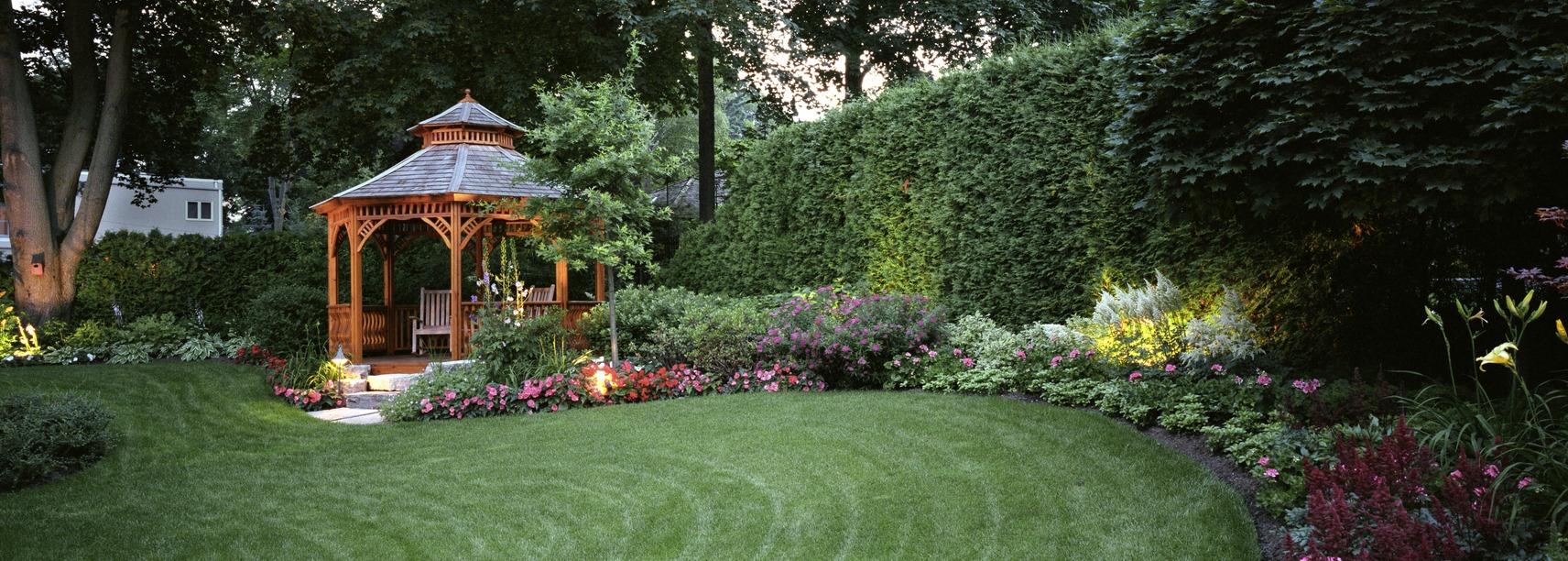
If you have never done a big outdoor project, the process can feel like a black box. A good landscape design process Wichita homeowners can trust is a clear, collaborative sequence that takes you from a vague wish to a detailed plan you can build with confidence.
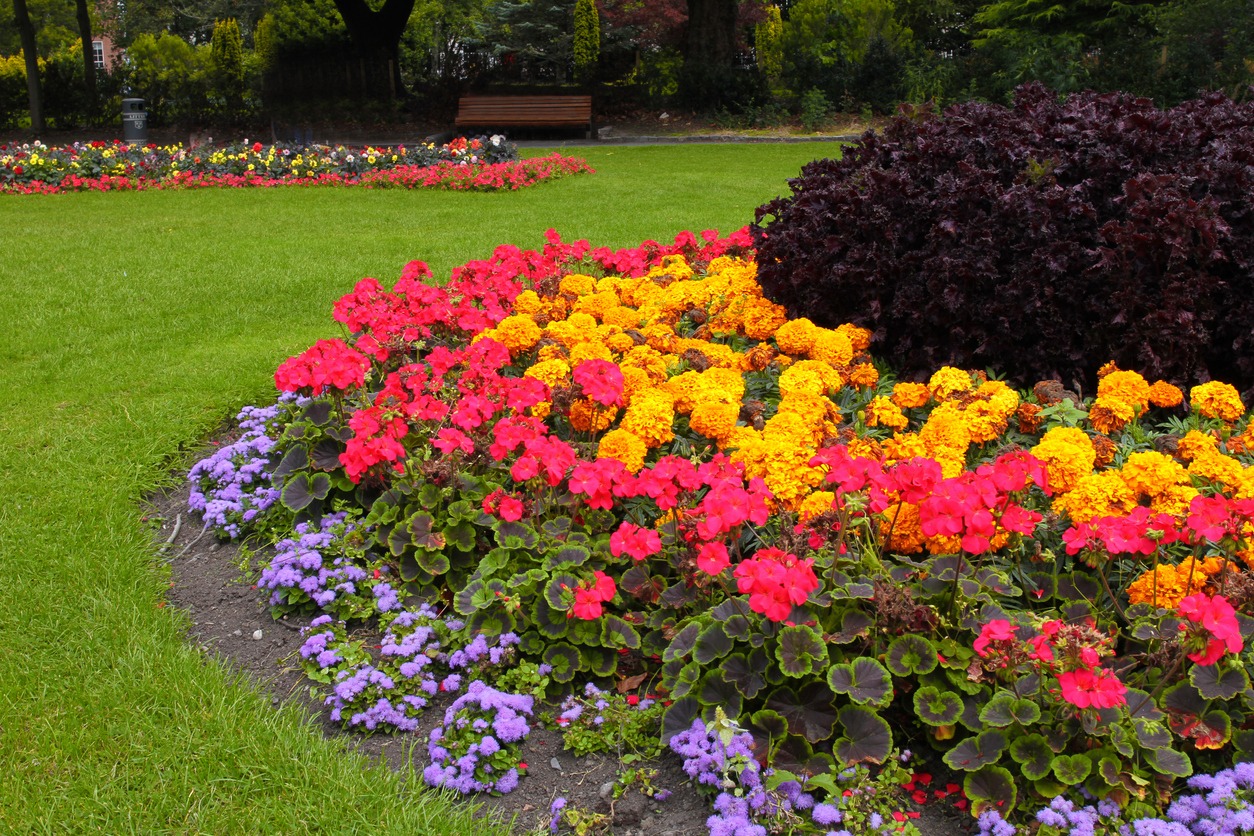
The landscape design process Wichita homeowners follow, start to finish
At a high level, a design build project moves through a handful of clear stages: an initial consultation to understand your goals and site, a design phase where ideas become a real plan, a proposal that puts scope and cost in writing, the build itself, and a walkthrough at completion. Each stage has a purpose, and each one reduces the risk of a costly misunderstanding later. Knowing this arc lets you engage well at each step rather than feeling like the project is happening to you.
The best projects are collaborative. You bring the vision for how you want to live outside, and the designer brings the expertise to make it work and last.
Step one: the consultation
Everything starts with a conversation on your property. This is where a good designer listens more than they talk, learning how you want to use the space, what frustrates you about it now, your rough budget, and your style. They will look at the site itself, the grade, the drainage, the sun, the existing features, because the land shapes what is possible. A strong consultation ends with both sides clear on the goals and the realistic scope, which is the foundation everything else is built on.
Step two: turning ideas into a design
Next, the ideas from the consultation become an actual plan. Depending on the project’s scale, this can range from a straightforward layout to a detailed design showing the patio, walls, plantings, and features to scale. This is where tradeoffs get worked out, how to fit the wish list into the budget, how the spaces flow, what materials to use. A real design phase is what separates a thoughtful project from a crew that just shows up and starts digging, and it is where expensive mistakes get caught on paper instead of in the ground.
Step three: proposal and moving to build
Once the design is settled, it becomes a written proposal that spells out the scope, materials, and cost so there are no surprises. This is your chance to confirm everything matches what you pictured and to make final adjustments before any money is spent on construction. When it is approved, the project moves into scheduling and the build. A clear proposal protects both sides, because everyone is agreeing to the same detailed plan rather than a vague handshake that gets interpreted differently later.
Step four: the build and the walkthrough
During construction, a good contractor keeps you informed, works through the stages in the right order, and handles the invisible essentials like base and drainage to standard. At completion, a walkthrough makes sure everything meets the plan and you know how to care for your new space. A process that ends with a real handoff, rather than a crew that simply vanishes when the check clears, is a sign of a company that stands behind its work and expects you to be a customer for years.
How long the design and build process takes
It helps to have a realistic sense of timing. The consultation and design phase can take anywhere from a couple of weeks to longer depending on the scale of the project and how many revisions it goes through. Rushing this stage is where mistakes creep in, so it is worth giving the design the time it needs. Once the plan and proposal are approved, the project moves into scheduling, and the build itself follows based on the contractor’s calendar and the season.
This is exactly why planning ahead pays off, especially if you want a finished space by a certain time of year. Starting the conversation in the off season, or well before the season you want to use the space, gives the design room to breathe and gets you a good spot on the build schedule. Homeowners who start early almost always end up with a more thoughtful result and a smoother timeline than those who wait until they are eager to break ground.
Common questions about the landscape design process
Do I pay for the design separately? Practices vary, and a good contractor is transparent about how design fits into the overall investment. What matters is that a real design phase happens, because that is where expensive mistakes get caught on paper instead of in the ground.
How involved do I need to be? The best results come from collaboration. You bring the vision for how you want to use the space and honest feedback on the plan, and the designer brings the expertise to make it work and last. A few focused conversations usually shape a strong design.
What good collaboration looks like
The best designs come out of a genuine back and forth between you and the designer. Your job is to be honest about how you want to use the space, what you like and dislike, and what your budget really is, because that candor gives the designer the raw material to work with. The designer’s job is to translate that into a plan that works on your specific site and lasts in our climate, and to tell you honestly when an idea will not serve you well.
That collaboration continues through the proposal, where you confirm the plan matches what you pictured and make final adjustments before any money goes into construction. Approaching the process as a partnership rather than a transaction is what produces a design you are excited about and confident in. The homeowners who engage this way, sharing openly and reacting thoughtfully to the plan, consistently end up with spaces that fit them well, because the design was shaped around their real life from the start.
Related reading from Bluestone
- When Should You Hire a Landscape Contractor in Wichita?
- How to Choose the Right Landscape Contractor in Wichita
- What Makes a Great Landscape Design for Kansas Homes?
The Bluestone difference and your next step
Our landscape design process is collaborative and transparent from the first consultation to the final walkthrough, and every build is done to recognized ICPI and Unilock standards. You always know what is happening and why. See the results on our outdoor living enhancements page. To start the landscape design process for your own Wichita property, request a consultation and we will begin with a conversation about how you want to live outside.
Tags: