

Best Pavers for Kansas Weather and Freeze-Thaw Cycles
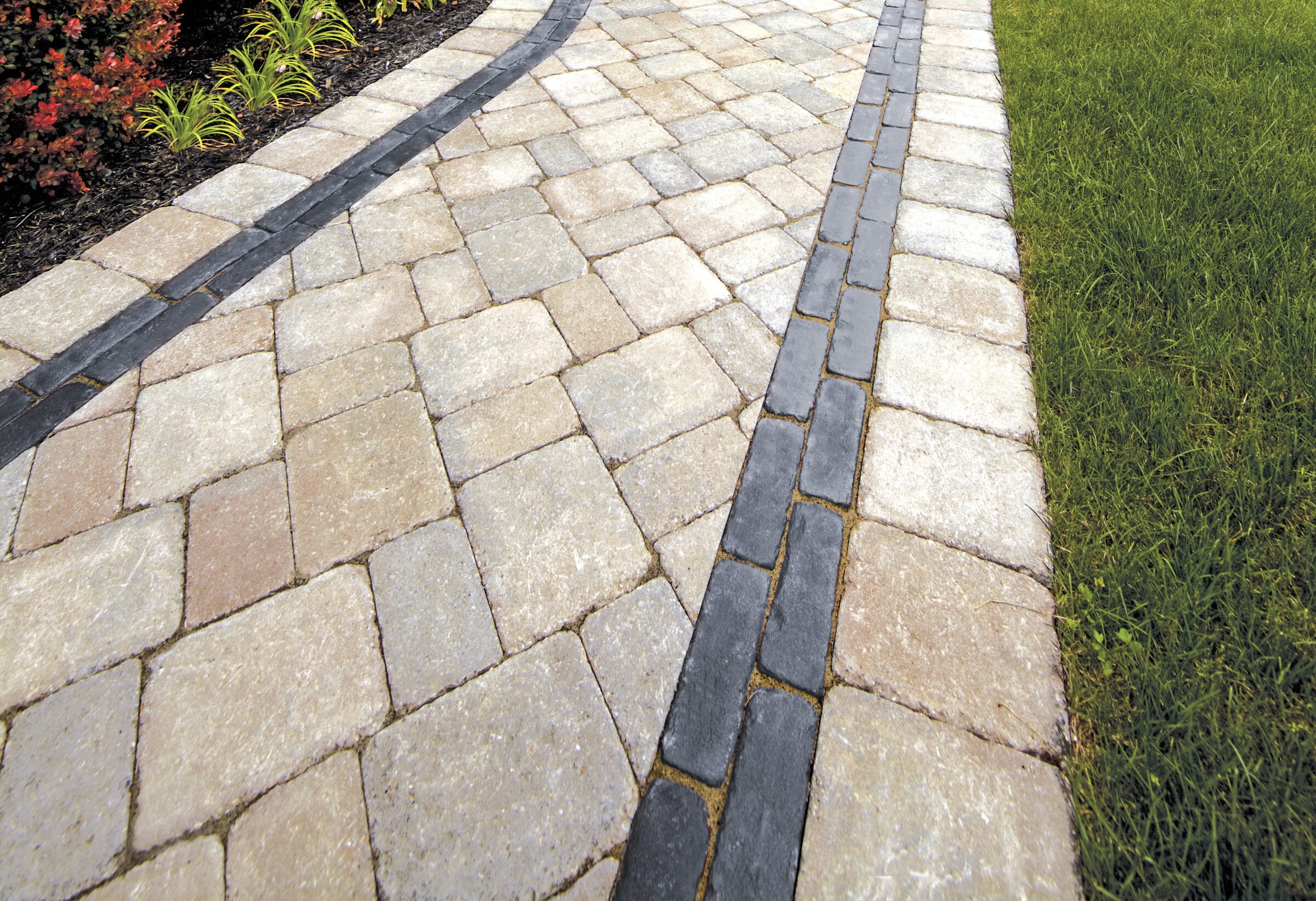
Choosing the best pavers for Kansas weather is not about picking the prettiest photo in a brochure. Our climate is genuinely hard on outdoor surfaces, with a freeze and thaw cycle that can cross the freezing line dozens of times a winter, intense summer sun, and wind that drives moisture into every joint. The paver that looks great in a mild climate can spall, fade, and crumble here in just a few years. This guide explains what actually makes a paver hold up in Kansas, so you can spend once and enjoy the patio for decades instead of replacing it.
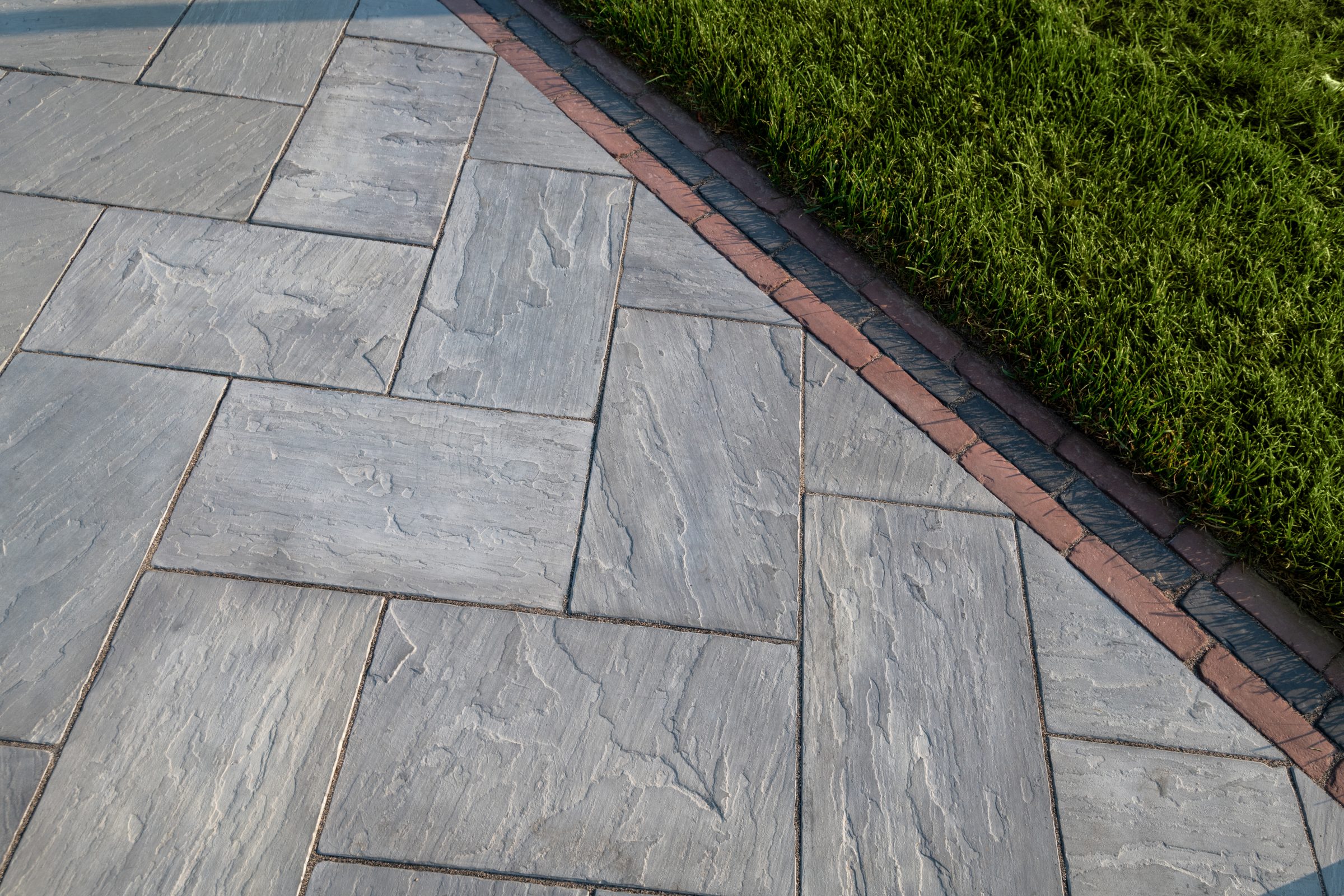
What makes the best pavers for Kansas weather
The single most important property is resistance to freeze and thaw. Water gets into the surface of any paver, and when it freezes it expands. A paver engineered with low absorption and high density shrugs this off, while a porous bargain unit slowly flakes apart from the surface down, a failure called spalling. The best pavers for Kansas weather are dense, low absorption, high strength units designed and tested for exactly this cycle, not generic stone poured to a price.
Color stability matters too. Cheaper pavers rely on a thin layer of pigment that fades under our sun, while better ones carry color throughout or use fade resistant technology so the patio looks the same in year fifteen as it did in year one.
Why big box pavers fail here
The pavers stacked at a discount home center are usually made to hit a low price, not to survive a Kansas winter. They tend to be more porous, less dense, and thinner, which means they absorb more water, spall faster, and lose their color sooner. They also vary more in size, which makes for wider, uneven joints where weeds and water get in. They can be fine for a low traffic garden edge, but as the surface of a patio you want to last, they are a false economy that often needs replacing within a handful of years.
The case for Unilock in Wichita
We install Unilock pavers because they are engineered specifically for climates like ours. Their manufacturing produces a dense, low absorption paver, and several of their lines add a harder wearing surface layer and fade resistant color technology that keeps a patio looking new far longer. For Kansas freeze and thaw, that combination of low water absorption and high strength is exactly what keeps a surface from spalling and heaving. It is the difference between a patio that ages gracefully and one that looks tired before its first decade is out.
Matching the paver to the job
The best paver also depends on how the space is used. A driveway needs a thicker, higher strength unit than a garden path. A pool deck benefits from a textured, slip resistant surface. A large patio often looks best in a large format paver with fewer joints, while a walkway can carry a smaller, more detailed unit. Part of our job is matching the specific Unilock line to the traffic, the setting, and the look you want, so you are not overpaying for one area or underbuilding another.
The base matters as much as the paver
Even the best paver in the world fails on a bad base. In Kansas the ground moves with every freeze and thaw, and only a properly compacted aggregate base built to ICPI standards keeps the surface flat through it. Choosing a premium paver and then setting it on a shallow, rushed base is like buying good tires and mounting them on a bent wheel. The material and the structure underneath have to be right together, which is why the paver choice and the base spec are part of the same conversation.
How to read a paver spec before you buy
When you compare pavers, a few technical properties tell you how they will hold up here. Water absorption is the big one, because lower absorption means less water soaking in to freeze, expand, and spall the surface in our winters. Compressive strength indicates how much load and wear the paver can take, which matters more for driveways than garden paths. Thickness affects durability under traffic, and color technology determines whether the paver holds its look or fades under the Kansas sun.
You do not have to become an expert, but knowing these terms lets you ask better questions and see past a low price. A bargain paver often looks similar to a quality one in a photo while differing sharply in absorption, density, and color durability. Those hidden differences are exactly what decide whether a patio still looks good after ten winters, so they are worth understanding before you choose.
Common questions about choosing pavers for Kansas
Do more expensive pavers really last longer here? In our freeze and thaw climate, generally yes, because the premium usually buys lower absorption, higher density, and better color technology, which are precisely the properties that resist spalling and fading. The cheapest units are where corners are cut on exactly those traits.
Can I mix paver styles? Yes, and it often looks great. Using one line for the main field and a complementary one for the border or a feature adds a custom look without full custom cost, as long as the pavers are compatible in thickness and installation.
Matching the paver to how you will use it
The best paver for your project depends on the job it has to do. A driveway or a surface that will see vehicle traffic needs a thicker, higher strength unit than a garden path, while a pool deck benefits from a textured, slip resistant surface that stays comfortable underfoot. A large patio often looks best in a large format paver with clean lines and fewer joints, and a walkway can carry a smaller, more detailed unit that suits its scale.
Getting this match right means you neither overpay for more paver than an area needs nor underbuild a surface that will take heavy use. It is one of the practical reasons to work with an installer who knows the full range, because the goal is the right paver in the right place, chosen for the traffic, the setting, and the look you want. A thoughtful material plan makes the whole project both more durable and more cost effective.
Related reading from Bluestone
- How Long Do Paver Patios Last in Wichita?
- How to Prepare Your Yard for a Patio Installation in Wichita
- Why Homeowners Choose Unilock Pavers in Wichita
The Bluestone difference and your next step
At Bluestone we pair the right Unilock paver with a base and drainage built to recognized ICPI standards, so both the surface and the structure are made for Kansas weather. We never cut corners on the part you cannot see, and we help you choose a paver that fits the job rather than the biggest markup. See our completed work on the outdoor living enhancements page. When you are ready to choose materials for your project, request a consultation and we will walk you through the options that make sense for your yard and our climate.
Tags: