

How to Match Your Patio, Fire Pit, and Walkways Into One Design
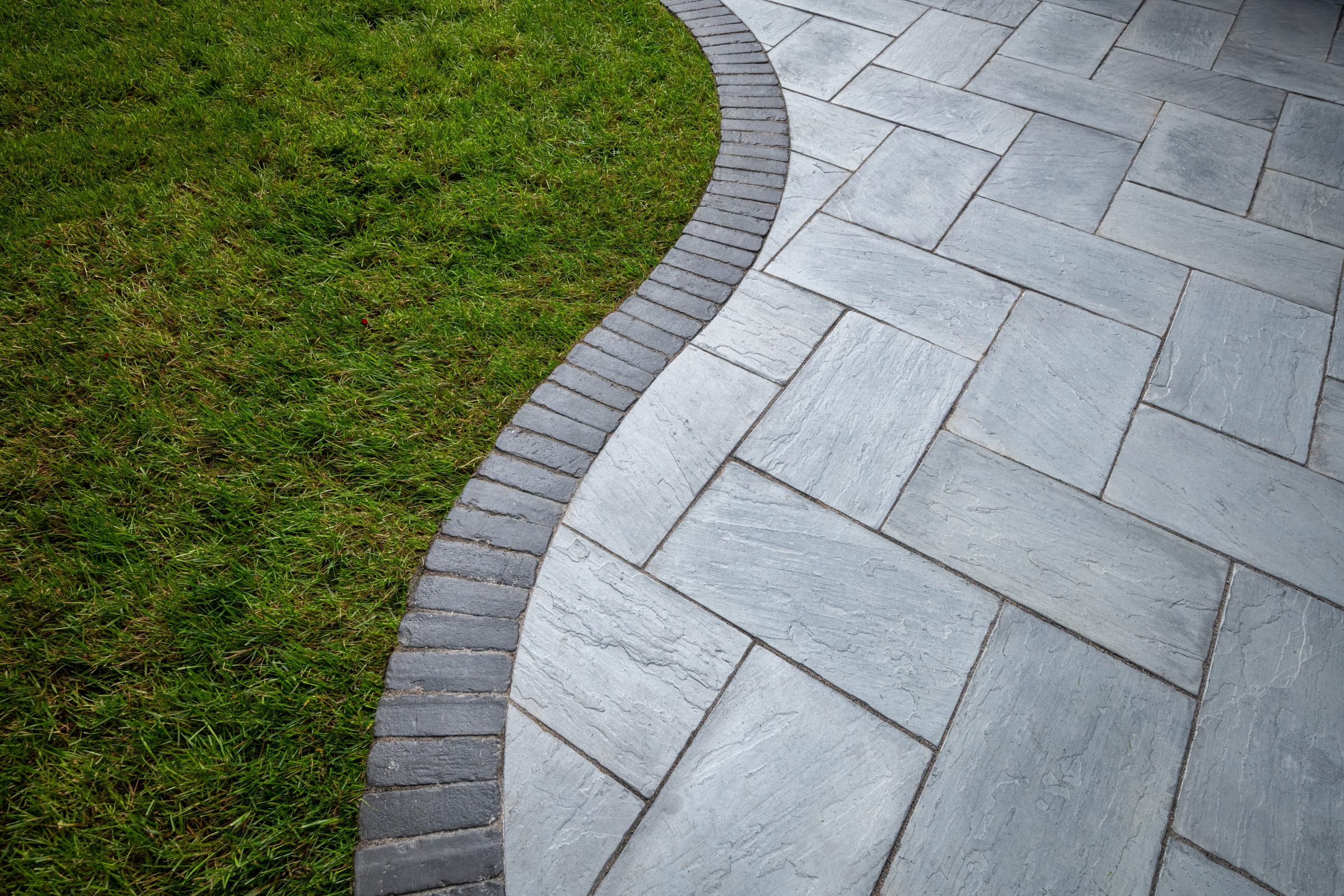
You can have a nice patio, a nice fire pit, and nice walkways and still end up with a backyard that feels like a jumble. The secret to a cohesive backyard design Wichita homeowners love is that every element relates to the others, so the whole space feels intentional rather than assembled.
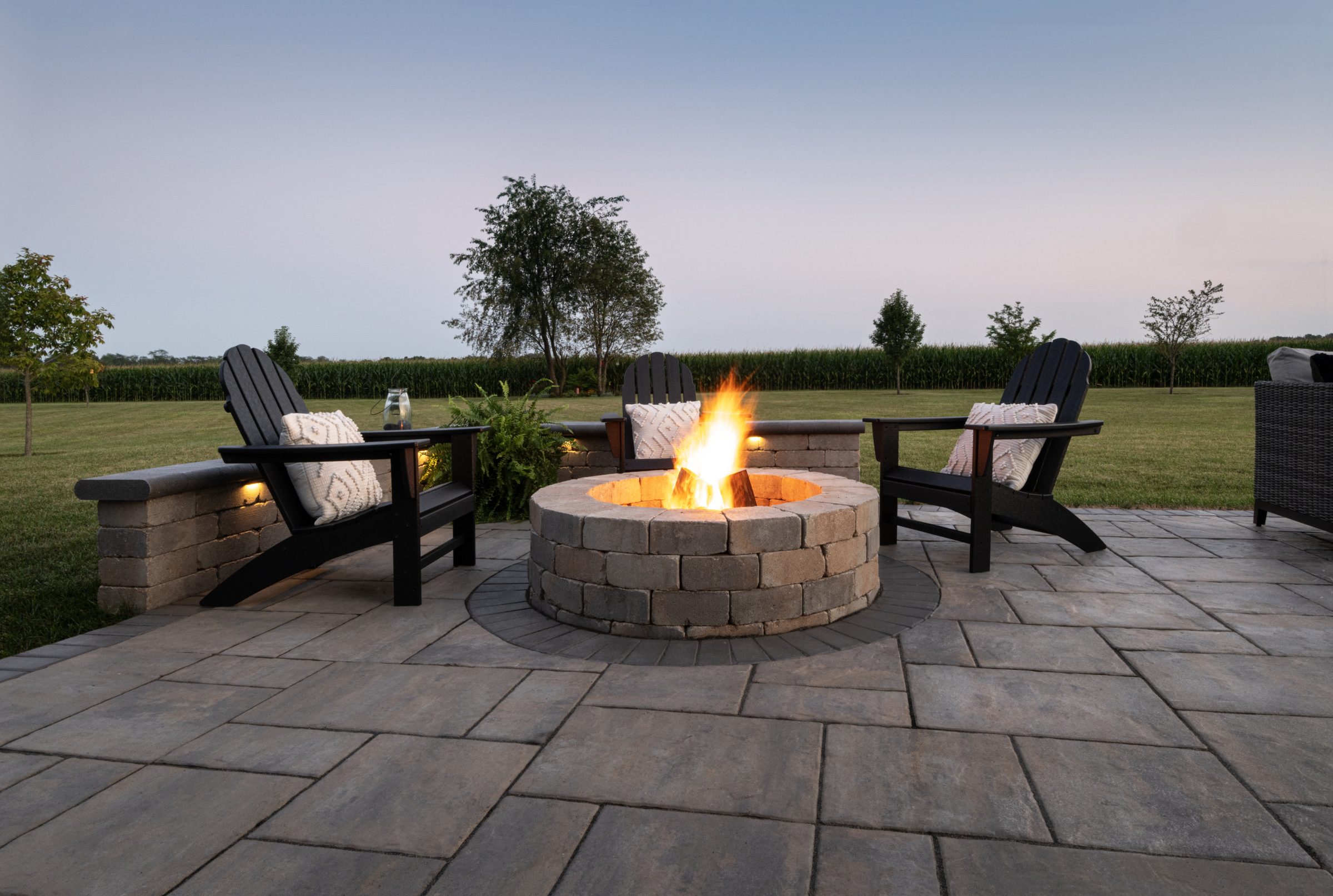
Why cohesive backyard design Wichita homeowners want feels right
When a backyard feels calm and intentional, it is almost always because the elements are visually and physically connected. When it feels chaotic, it is usually because a patio, a fire pit, and paths were each added separately with no relationship to one another. Cohesion is what your eye reads as quality and design. The good news is that it comes from repeatable principles, coordinated materials, thoughtful connections, and a unifying plan, rather than from expensive taste. Get these right and even a modest yard feels professionally designed.
The goal is that a visitor senses the whole space was planned together, even if it was built in phases over several years.
Coordinate your materials and colors
The most powerful tool for cohesion is a coordinated material palette. When the patio, the fire pit, the walkways, and any walls share or complement their materials and colors, the eye reads them as one family. This does not mean everything is identical, a coordinated accent or border can tie contrasting elements together, but it means the choices relate deliberately. Manufacturers like Unilock design lines that coordinate across paving, walls, and coping precisely so a whole space can be built to belong together, which makes achieving this far easier.
Connect the spaces physically
Cohesion is not only visual, it is physical. Walkways are what link a patio to a fire pit, a driveway to a back gate, or one zone to another, turning separate areas into a connected experience you move through naturally. A fire pit that sits marooned in the lawn with no path feels disconnected, while the same fire pit joined to the patio by a matching walkway feels like part of the plan. Designing the connections, not just the destinations, is what makes a yard flow and feel like a single, considered space.
Design around a unifying plan
The surest path to cohesion is to design the whole space at once, even when you build it in stages. A master plan ensures the fire pit sits where the seating will wrap it, the walkways lead where you actually walk, and every element is sized and placed in relation to the others. This is the opposite of adding features one at a time and hoping they fit. When there is a plan tying it together, each phase slots into a coherent whole, which is exactly why professional designs read as intentional.
Let one element lead
In a cohesive design, the elements are not all competing for attention. Usually the patio serves as the anchor, with the fire pit, walkways, and plantings supporting and relating to it rather than fighting it. Choosing a clear hierarchy, a lead element and supporting ones, keeps a space from feeling busy and gives it a sense of order. This restraint is a hallmark of good design, and it is often what separates a yard that feels serene and intentional from one that feels like a showroom of unrelated features.
Repeating elements to tie the yard together
One of the simplest ways to make separate features feel like one design is repetition. Carrying a material, a color, or a detail across the patio, the fire pit surround, the walkway border, and the wall caps creates a visual thread that the eye follows and reads as intentional. The repeated element does not have to dominate, even a shared border color or a consistent cap material is enough to signal that everything belongs to the same design family rather than being chosen independently.
Scale and proportion reinforce the effect. Sizing the fire pit and its seating in proportion to the patio, and keeping pathways in scale with the spaces they connect, keeps any one element from feeling out of place. When materials repeat and proportions relate, a yard built in phases over several years can still look like it was designed all at once. That coherence is the difference between a collection of nice features and a genuinely cohesive outdoor living space.
Common questions about cohesive outdoor design
How do I make features built in different years match? Design the whole space up front and record the materials and colors used, so later additions can repeat them. A master plan is what keeps phased work cohesive.
Should everything use the exact same material? Not necessarily. Coordinated and complementary materials often look richer than everything identical. The goal is a deliberate relationship among the elements, not sameness.
One plan, built over time
Achieving a cohesive yard does not require building everything at once, only designing it as one plan from the start. When the whole space, patio, fire feature, walkways, walls, and plantings, is designed together, you can build it in phases as budget allows and still end up with a unified result, because each phase was drawn to fit the others. Recording the materials and dimensions used means a feature added three years later can repeat them and belong seamlessly.
This is the practical secret behind yards that look professionally designed rather than accumulated. The homeowners whose spaces feel intentional almost always started with a master plan, even if the fire pit and the walkway went in seasons apart. Designing the whole and building the parts is both the path to cohesion and the smarter budget strategy, since it prevents the costly rework of tearing out earlier projects to fit later ones. A little planning up front is what lets a phased yard still feel like a single, considered design.
Related reading from Bluestone
- What Adds More Resale Value: Patio, Fire Pit, or Outdoor Kitchen?
- Fire Pit Installation in Wichita: Gas or Wood Burning?
- 5 Outdoor Kitchen Features Wichita Homeowners Actually Use
The Bluestone difference and your next step
We design outdoor living spaces as a cohesive whole, coordinating materials, connecting the zones, and building it all to recognized ICPI and Unilock standards. The result feels intentional, not assembled. See cohesive spaces on our outdoor living enhancements page. To pull your patio, fire pit, and walkways into one design, request a consultation and we will create a master plan that ties your whole yard together.
Tags: