

Retaining Wall Cost, Options, and Use Cases in Wichita
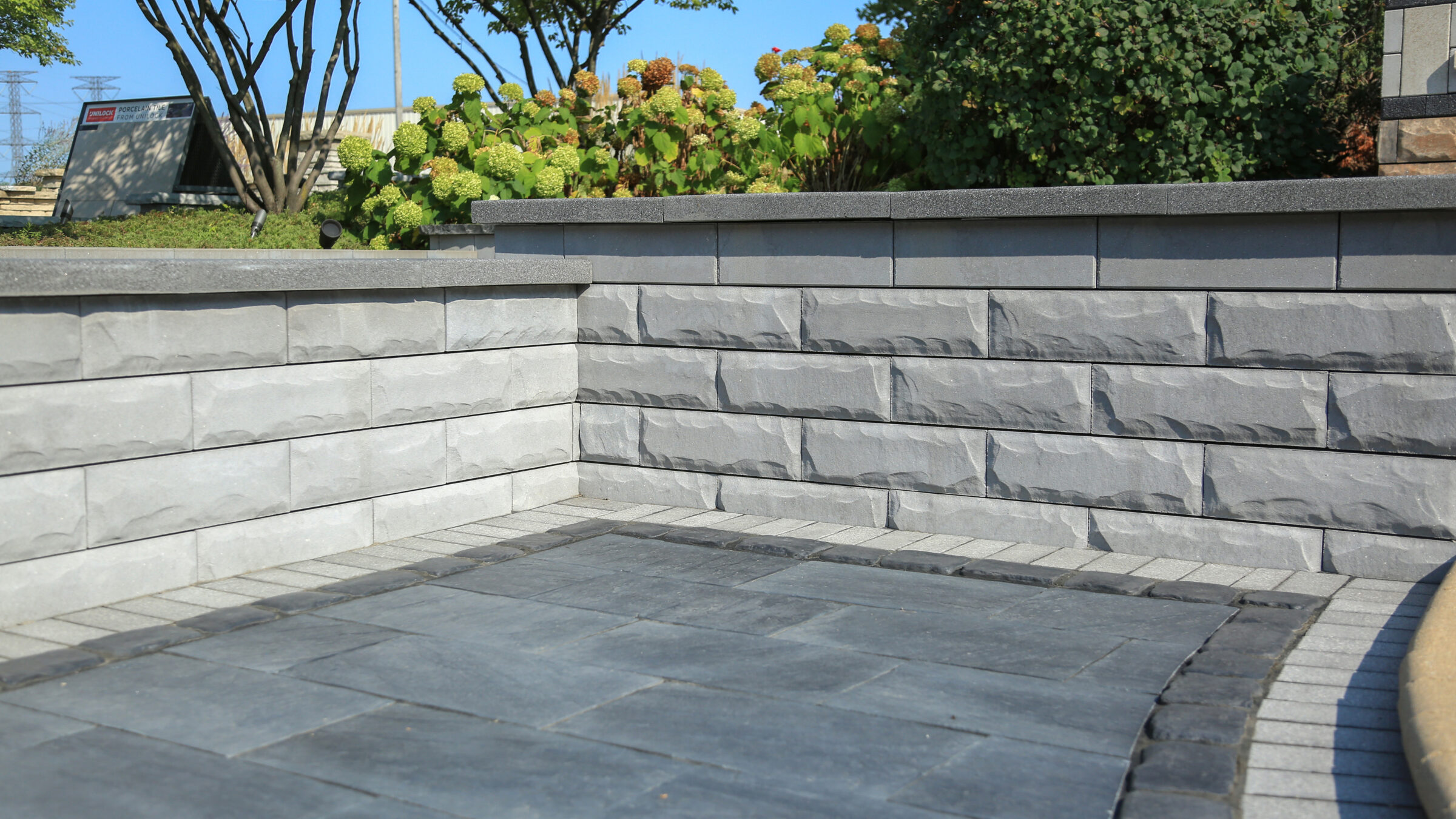
When homeowners start pricing walls, the range surprises them, because retaining wall cost Wichita builders quote is about far more than the blocks you see. What you pay for is the base, drainage, backfill, and engineering that keep the wall standing for decades, and this breaks it down honestly.
What drives retaining wall cost Wichita homeowners face
Several factors move the price of a retaining wall, and understanding them helps you see where the money goes:
- Height. Taller walls hold back much more soil and pressure, so they need stronger construction, deeper bases, and sometimes engineering, which raises cost significantly.
- Length and area. More wall is more material and labor, naturally.
- Drainage requirements. Proper gravel backfill and drain lines are essential and add cost, but skipping them is what makes cheap walls fail.
- Material. Options range from standard segmental blocks to premium Unilock units with a finished look.
- Site conditions. Access, existing grade, soil type, and what has to be removed all affect the labor.
Material options and how they compare
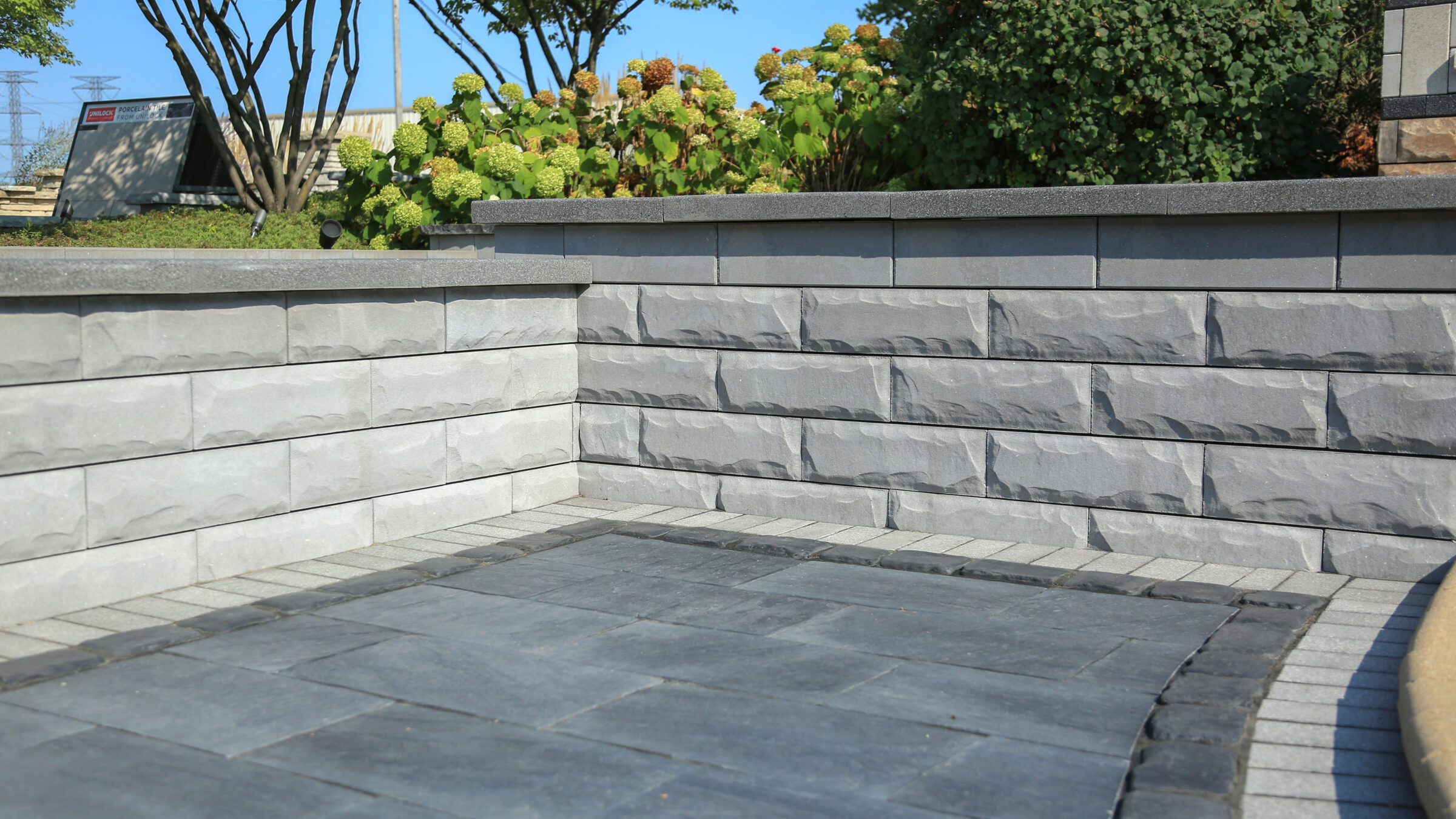
Retaining walls come in a range of materials, each with a place. Engineered segmental block systems are the workhorse for most residential walls, offering strength, good drainage design, and a clean look. Premium lines from manufacturers like Unilock add finished textures and colors that coordinate with a patio, so the wall reads as a designed feature rather than pure utility. Natural stone offers a distinctive look at a higher price. The right choice depends on the wall’s job, its visibility, and how it fits the rest of your landscape.
Common use cases in Wichita yards
Retaining walls solve several distinct problems. They terrace a sloped yard into usable levels, they hold back a bank to protect a patio or foundation, they create raised planting beds, and as seating walls they frame an outdoor living space. Each use case has different structural demands. A tall wall holding back a hillside is a very different project from a low garden wall, which is why an honest quote starts with understanding exactly what your wall needs to do rather than quoting a flat per foot number blind.
Why the cheapest wall is the most expensive
A retaining wall is holding back enormous force, and when a cheap one fails, it fails expensively. Walls built without proper base, backfill, and drainage lean, bulge, and eventually collapse, taking the soil and anything on it along for the ride. The repair is often more than building it right would have cost in the first place. This is the classic case where a low bid is not a savings but a deferred, larger bill, because the parts that get cut are the structural ones you cannot see.
Budgeting realistically
The best approach is to budget for a wall built correctly rather than shopping for the lowest number. Get quotes that spell out the base, the drainage, and the materials so you can compare on equal terms, and be skeptical of any bid dramatically lower than the rest. If budget is tight, it is better to build a shorter or phased wall to full standard than to build the whole thing to a cut rate spec that will fail. A wall is one of those projects where doing it right once is genuinely cheaper than doing it twice.
How to budget realistically for a wall
Because so much of a retaining wall’s cost is structural and invisible, the best approach is to budget for a wall built correctly rather than shopping for the lowest number. Get quotes that spell out the base, the reinforcement, the backfill, and the drainage, so you can compare on equal terms, and be skeptical of any bid dramatically lower than the rest. That gap almost always represents skipped structural work that will surface as a leaning or failing wall.
If the full project stretches your budget, it is better to build a shorter or phased wall to full standard than to build the whole thing to a cut rate spec. A wall is holding back real force, and when a cheap one fails it takes the soil and anything on it along, so the repair often costs more than doing it right the first time would have. Investing in the structure you cannot see is what makes the wall a lasting solution instead of a future problem.
Common questions about retaining wall cost
Why are retaining wall quotes so different? Because the biggest costs are underground, in the base, backfill, and drainage, a low quote usually means those are being shortcut. Two walls that look alike can be built completely differently behind the face.
Does wall height really change the price that much? Yes. A taller wall holds back far more soil and pressure, which means a deeper base, stronger construction, and sometimes engineering. Height is one of the single largest drivers of what a wall costs.
Why a site visit beats a phone quote
For a retaining wall more than almost any other project, a real number requires a real look at the site. Height, length, the grade being held, the soil, access for equipment, and the drainage the wall needs all vary enough from yard to yard that a quote given sight unseen is little more than a guess. A contractor who walks the site can account for the conditions that actually drive the cost and design a wall that fits both the problem and the budget.
That visit is also your chance to understand what you are buying. A good contractor will explain how they will build the base, handle the backfill and drainage, and finish the wall, so the quote reflects a wall built to last rather than a number pulled from thin air. Because a retaining wall holds back real force and fails expensively when built wrong, the few minutes it takes to have the site properly assessed are among the best invested in the whole project.
Related reading from Bluestone
- Seating Wall vs Standard Retaining Wall: Which One Fits Your Yard?
- Can a Retaining Wall Solve Yard Drainage Problems?
- When to Add a Retaining Wall to Your Wichita Landscape
The Bluestone difference and your next step
We price retaining walls honestly and build them to hold, with the base, backfill, and drainage that decide whether a wall lasts. Bluestone builds to recognized ICPI and Unilock standards using materials engineered for Kansas conditions. See our completed walls on the outdoor living enhancements page. For a real number on your specific wall, request a consultation and we will assess the site, explain your options, and give you a quote that reflects a wall built to last.
Tags: