

Can a Retaining Wall Solve Yard Drainage Problems?
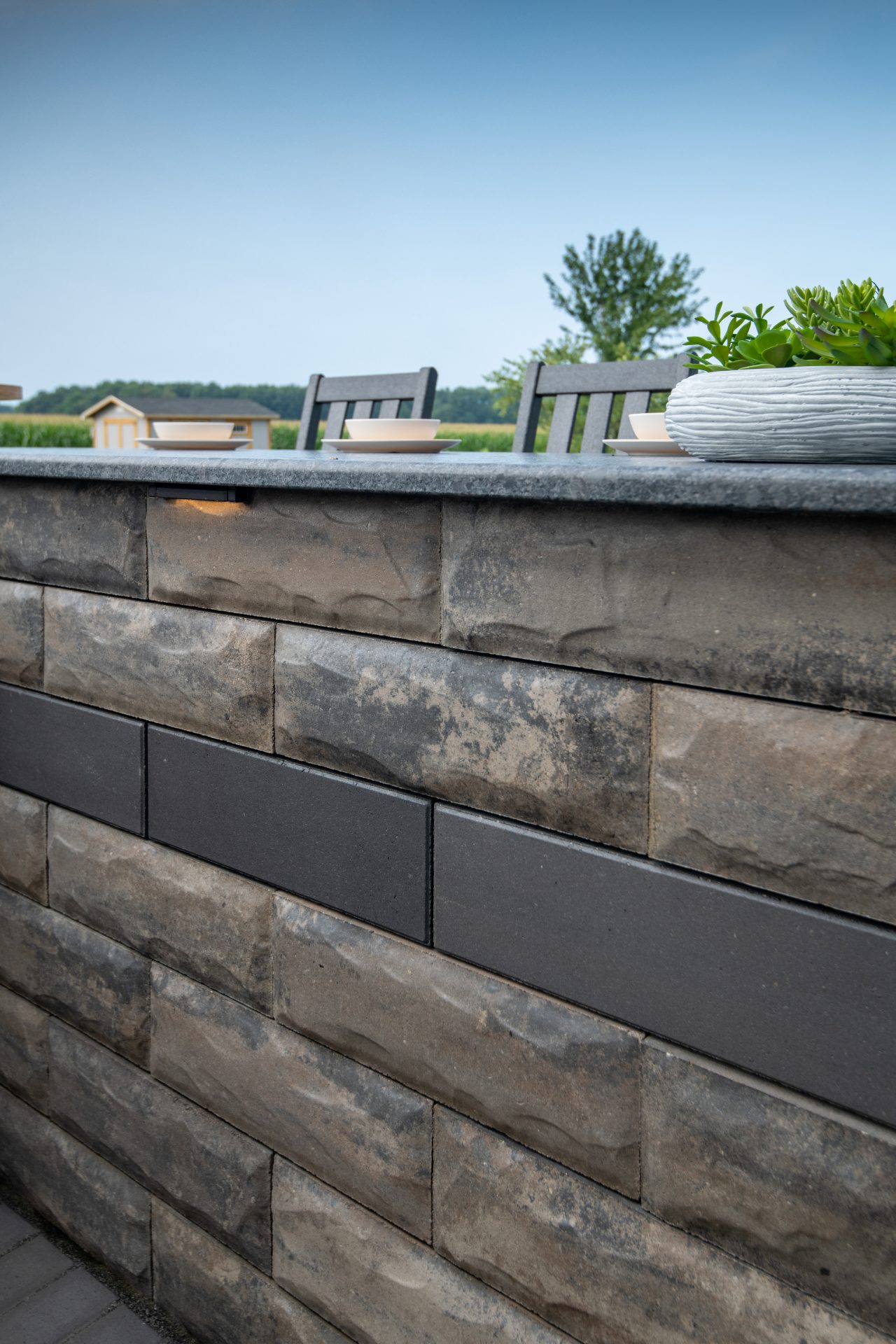
If part of your yard stays soggy or erodes after every storm, a wall may help. Retaining wall drainage Wichita homeowners rely on, when it is built correctly, manages water and grade at the same time, turning a problem slope into usable space instead of just moving the water around.
How retaining wall drainage Wichita homeowners rely on manages water
A retaining wall changes the shape of your yard, and that is exactly why it can help with drainage. By holding back soil and creating level or terraced ground, a wall lets you control where water goes instead of letting it run and pool wherever gravity takes it. On a slope that sheds soil and water toward your house or patio, a well placed wall can intercept and redirect that flow. The key is that the wall itself must be built to handle water, with proper drainage behind it, or the same water that plagued the yard will destroy the wall.
In other words, a retaining wall is a grading tool, and grading is one of the most powerful ways to solve a drainage problem.
The drainage built into a good wall
A correctly built retaining wall has its own drainage system that most people never see. Behind the wall sits gravel backfill and often a perforated drain line that collects water and carries it away, relieving the pressure that would otherwise build up and push the wall over. This hidden drainage does double duty: it protects the wall, and it manages the water in that part of the yard. It is also precisely the detail cut rate builders skip, which is why so many failed, leaning walls are really drainage failures in disguise.
Terracing a slope to control runoff
On a steep yard, terracing with one or more retaining walls transforms how water behaves. Instead of racing down a bare slope, carrying soil and cutting channels, water is slowed and managed across level terraces. This stops erosion, protects whatever is downhill, and turns an unusable bank into functional space at the same time. For yards where runoff and erosion are the core problem, terracing is often the most effective and most attractive solution, solving the water issue and adding usable ground in one move.
When a wall is the right drainage tool
A retaining wall makes sense as a drainage solution when the problem is tied to slope and grade, an eroding bank, a hillside sending water at the house, a yard too steep to manage. In those cases the wall addresses the root cause by changing the terrain. When the problem is different, say a flat yard that simply does not drain, other tools like regrading, drains, or a permeable design may fit better, sometimes alongside a wall. The right answer depends on reading the specific situation, which is where professional judgment matters.
Why the build quality is everything
Because a retaining wall solving drainage is holding back both soil and water, build quality is not optional. The base, the reinforcement, the backfill, and the drainage all have to be right, or the wall fails and takes the problem, plus a repair bill, with it. This is emphatically not a DIY or cut rate project. A wall meant to manage water has to be engineered and built to do it, which is exactly why the underground details and the contractor’s standards matter so much here.
Pairing a wall with other drainage tools
A retaining wall is powerful for grade related water problems, but the best solution sometimes combines it with other tools. On a site where a slope sends water toward the house, a wall that terraces the grade might be paired with a drain line, a swale, or a permeable surface to fully manage the flow. On a flat yard that simply will not drain, a wall may not be the answer at all, and regrading or a drainage system does the real work. Reading which combination fits is the job of an experienced eye.
What ties it all together is designing for water from the start. A wall built with proper drainage behind it protects itself while helping the yard, and when it is planned alongside grading and any needed drainage features, the whole site works as one system. This is why a drainage related wall is not a DIY or cut rate project: it has to be engineered to handle both soil and water, and it works best as part of a deliberate plan rather than a standalone fix.
Common questions about walls and drainage
Will a retaining wall fix a wet backyard on its own? Only if the problem is tied to slope and grade. For a flat, poorly draining yard, other tools like regrading or a drainage system may be needed, sometimes alongside a wall.
What makes a drainage wall fail? Skipping the gravel backfill and drain line behind it. Without that, water pressure builds up and pushes the wall over, which is why so many failed, leaning walls are really drainage failures.
Solving the water and gaining usable space
One of the appealing things about using a retaining wall to address drainage is that it often solves two problems at once. Terracing a slope to control runoff and erosion also converts an unusable bank into level, functional ground you can actually use for a patio, a lawn, or a garden. Instead of merely managing a problem, the wall turns a liability into an asset, which is why it can be one of the more rewarding investments on a difficult, sloped lot.
The catch is that this only works when the wall is built to handle the water it is managing, with proper base, backfill, and drainage. A wall meant to solve a drainage problem that is itself built without drainage will simply become the next failure. That is why this is firmly professional work, engineered to hold both soil and water. Done right, though, a well placed retaining wall is a genuine two for one, quieting a drainage headache while unlocking space you did not have before.
Related reading from Bluestone
- When to Add a Retaining Wall to Your Wichita Landscape
- Retaining Wall Cost, Options, and Use Cases in Wichita
- Seating Wall vs Standard Retaining Wall: Which One Fits Your Yard?
The Bluestone difference and your next step
We build retaining walls that solve drainage and stay standing, with the proper base, backfill, and drainage that make a wall work, all to recognized ICPI and Unilock standards. See our walls on the outdoor living enhancements page. If a slope, erosion, or drainage problem is troubling your yard, request a consultation and we will assess whether a retaining wall is the right fix and design it to handle the water.
Tags: