

What to Know Before Starting a Patio Installation in Wichita KS

A patio installation Wichita KS homeowners can rely on is a great investment, but it is also one of the easiest projects to get wrong. A patio installation in Wichita KS is one of the best investments you can make in how you actually live at home, but it is also one of the easiest projects to get wrong. The pavers get all the attention, yet the real work happens below the surface in the base, the drainage, and the prep that no one sees once the job is finished. Get those right and your patio stays flat and beautiful for decades. Get them wrong and you will be staring at settling, weeds, and separated joints within a few short seasons. Here is what is genuinely worth knowing before you break ground, so you can hire well and end up with a patio you never have to apologize for.
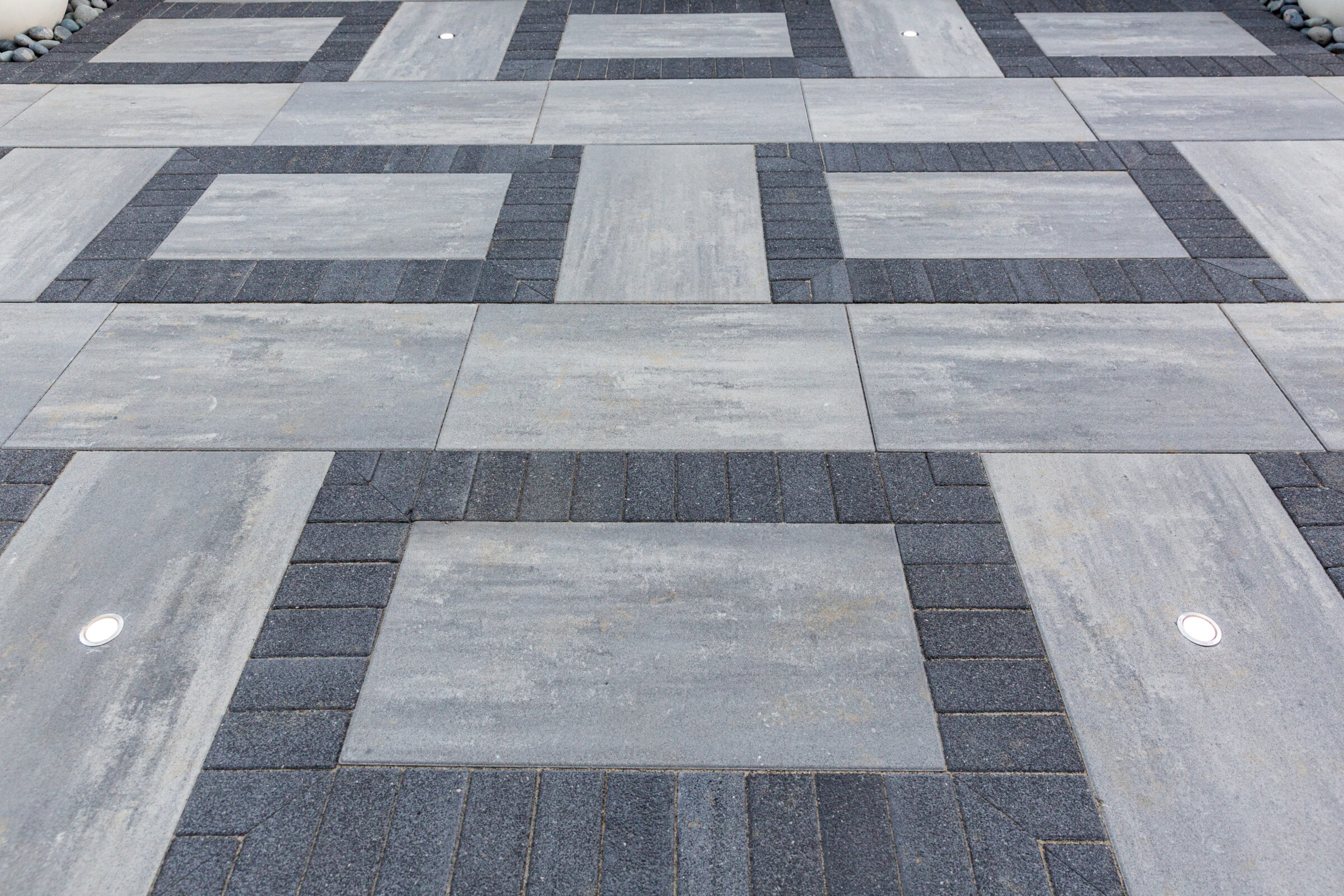
Why a patio installation Wichita KS homeowners trust is more than laying stone
It is tempting to picture a patio as a weekend of stacking pavers, but a lasting installation is a full process with real engineering behind it. A proper build moves through design and layout, excavation to the correct depth, a compacted aggregate base built to ICPI standards, edge restraints, the pavers themselves, and finally jointing sand and a last pass of compaction. Every step protects the ones around it, and skipping any single one quietly undoes the value of the rest.
This is why the cheapest bid and the best value are almost never the same number. When a quote is dramatically lower than the others, something in that list is being shortened, and it is usually the part underground that you cannot inspect later.
The base and drainage decide everything
In our climate, water and frost are the two forces that destroy patios, and both are handled below the surface. The base has to be the right material, installed at the right depth, and compacted in lifts rather than dumped and leveled. Drainage has to carry water away from the house and off the patio, not toward your foundation. A patio that slopes the wrong way or sits on a poorly draining base will heave in winter and pool in summer no matter how nice the pavers look.
Ask any installer you are considering exactly how deep their base is, what they compact with, and how they will move water. If the answers are vague, keep looking.
Timing, permits, and what to expect
Most residential patios in the Wichita area take several days to a couple of weeks depending on size, access, and whether walls or steps are involved. Spring and fall are the busiest seasons, so the best crews book out weeks ahead. Plan early if you want the space ready for summer. Expect some disruption during the build, machinery in the yard, and a staging area for materials. A good contractor tells you the sequence up front so there are no surprises about how long your yard will be a work zone.
Knowing the rhythm of a project in advance turns a stressful few days into a predictable one, and it lets you plan around the noisy, dusty stages.
How to choose an installer you can trust
The patio market is full of crews who are good at the day they pour and gone by the time it fails. Look for a contractor who builds to ICPI standards, carries manufacturer credentials like Unilock Authorized Contractor, shows you real local projects, and puts the base and drainage details in writing. Reviews and photos matter, but the underground details matter more. Anyone can make a patio look good for a season. The question is who builds one that still looks good after ten Kansas winters.
Budgeting without cutting the wrong corners
It is fine to trim scope to fit a budget, but trim the right things. Reducing square footage, simplifying the pattern, or phasing the project are all reasonable ways to save. Cutting base depth, skipping edge restraint, or downgrading to a bargain paver are not, because those are exactly the choices that lead to a failed patio and a second bill. Spend on the structure and the material, and save on the extras you can add later.
A realistic timeline for your patio build
Knowing the rough sequence and timing helps you plan around a build. After the design and proposal are settled, the on site work usually starts with a day of layout and excavation, followed by building and compacting the base, which is the most important and often the most time consuming stage. Edge restraints and paver setting come next, then jointing sand and a final compaction pass to lock everything in.
A straightforward patio might take several days, while a larger project with walls, steps, or drainage features can run a couple of weeks. Weather, access, and site conditions all affect the pace. A good contractor gives you a realistic window up front and keeps you posted, so you know which days will be loud and dusty and when the space will finally start to look like a patio.
Common questions before you break ground
Do I need a permit for a patio in Wichita? Requirements vary by project and location, and a reputable contractor handles the applicable permits and any homeowner association approvals as part of the process rather than leaving it to you to sort out.
What is the most important question to ask a bidder? Ask exactly how deep the base is and how they compact it. That single answer reveals more about whether your patio will last than almost anything else, because the base is the buried work that decides the outcome and the easiest place for a cut rate crew to save money.
Setting realistic expectations before you start
Homeowners are happiest with a patio project when they know what a normal build feels like. There will be a few days when the yard is genuinely a work site, with excavation, machinery, and a staging area for materials, and the base and compaction stages are the loud, dusty ones. None of that means anything is wrong, it is simply what building a lasting patio looks like, and a good contractor tells you the sequence so you can plan around it.
It also helps to expect a real process rather than an instant result. A patio built to last moves through layout, excavation, base, edge restraint, pavers, and final compaction, each step protecting the next. Knowing that the value is in those unseen stages makes it easier to be patient with the timeline and to appreciate why a careful build is worth more than a rushed one. Clear expectations up front turn a disruptive week into a predictable, well managed project.
Related reading from Bluestone
- 7 Backyard Patio Ideas That Fit Wichita Homes
- Are Paver Patios Worth It in Kansas Weather?
- Best Pavers for Kansas Weather and Freeze-Thaw Cycles
The Bluestone difference and your next step
At Bluestone we treat the part you cannot see as the most important part of the job. We build to recognized ICPI and Unilock standards, install Unilock pavers made for Kansas freeze and thaw, and check the work at every milestone so nothing gets buried before it is right. See examples of our work on the outdoor living enhancements page. When you are planning a patio installation in Wichita KS, request a consultation and we will walk your yard, explain exactly how we would build it, and give you an honest plan you can trust.
Tags: