

Are Paver Patios Worth It in Kansas Weather?
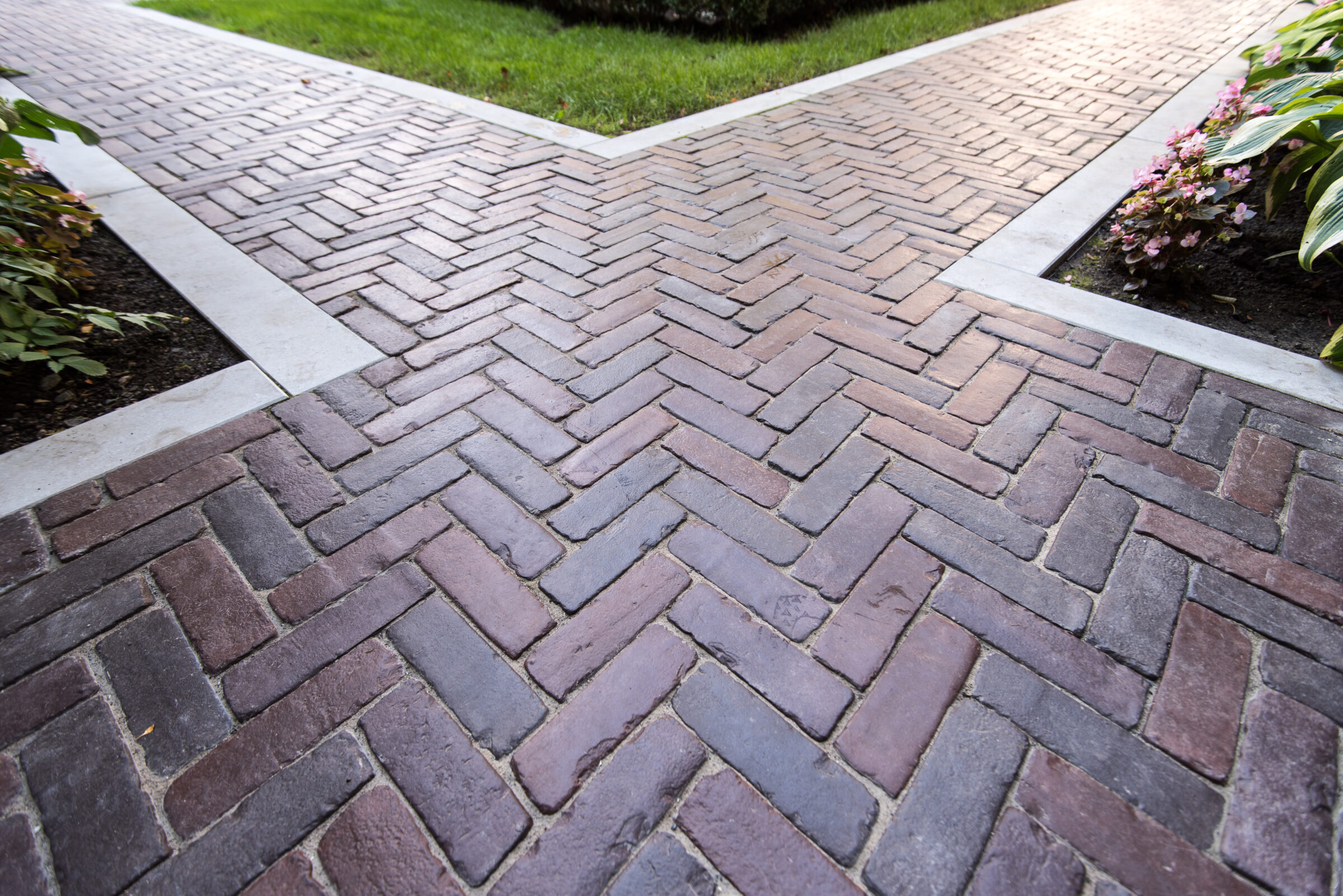
It is a fair question to ask before you spend real money: are paver patios worth it, especially in a climate as hard on outdoor surfaces as ours? Kansas puts everything through blazing summers, freezing winters, wind, and a freeze and thaw cycle that cracks and heaves anything built carelessly. A paver patio is a meaningful investment, so it deserves an honest answer rather than a sales pitch. The short version is that a properly built paver patio is usually worth it here, and this article walks through the reasons, the numbers to weigh, and the situations where it might not be.
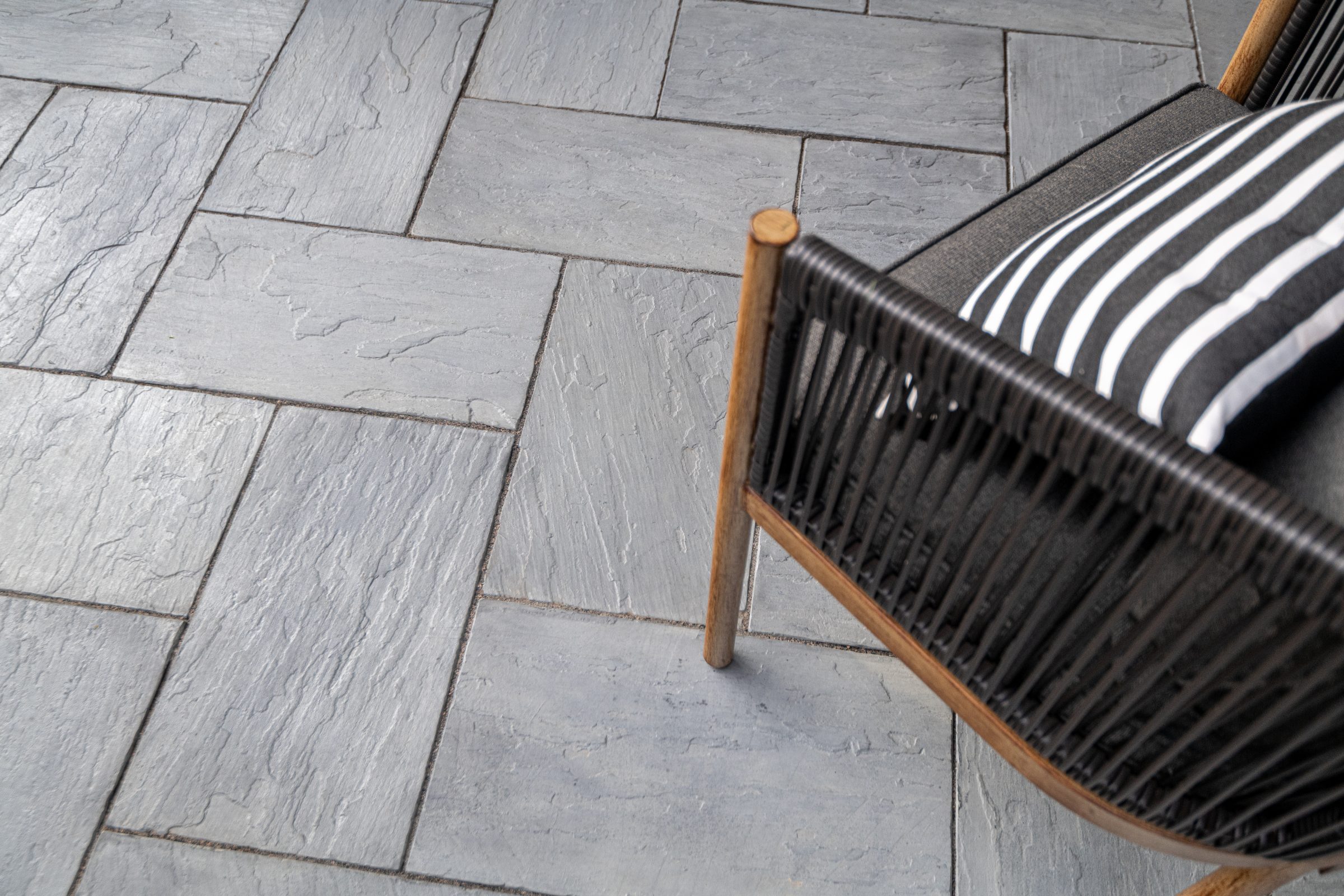
Are paver patios worth it for how long they last?
The strongest argument for pavers in Kansas is longevity. A properly installed paver patio can last thirty years or more, while a poured slab often starts cracking within a decade and a cheap patio can fail in just a few seasons. Pavers earn their keep because they are built to move with our ground instead of fighting it. When the soil freezes and heaves, a field of small units on a flexible base shifts and settles back, while a rigid surface simply cracks. Over the lifespan of the patio, that durability is where the value lives.
When you divide the cost over the years of service you actually get, a well built paver patio often works out cheaper per year than a slab you have to tear out and replace.
The honest cost picture
Pavers cost more up front than concrete, and it is worth being clear eyed about that. You are paying for more material, more labor, and a more involved base. What you get for the premium is a surface that resists cracking, repairs cleanly, and holds its looks. The mistake is comparing only the day one price. The right comparison is total cost over twenty or thirty years, including repairs, replacement, and how the surface looks the whole time you own the home.
For most homeowners planning to stay more than a few years, that longer view is where pavers pull ahead.
Resale value and curb appeal
A quality paver patio is one of the outdoor improvements that buyers notice and appraisers reward. It photographs well, it signals that the home has been cared for, and it reads as a finished outdoor living space rather than a slab. While no improvement returns every dollar automatically, a well designed hardscape helps a home sell faster and stand out, especially in a market where buyers are comparing similar houses and looking for the one that feels move in ready.
Repairs, maintenance, and real life
Pavers are forgiving in a way concrete is not. If a section settles or a unit stains, we lift the affected pavers, fix the base, and reset them so the repair disappears. Maintenance is modest: occasional joint sand, the odd cleaning, and sealing if you want extra stain resistance. Compare that to a cracked slab, where the only real fixes are living with it or replacing the whole thing. Day to day, a paver patio is simply easier to keep looking good.
When a paver patio might not be worth it
Honesty cuts both ways. If you need a purely functional pad, are on the tightest possible budget, or plan to sell within a year and only want the cheapest surface that photographs acceptably, pavers may be more than the situation calls for. And a paver patio built badly, on a shallow base by a crew cutting corners, is not worth it at any price. The value depends entirely on the quality of the installation, which is why who you hire matters as much as what you buy.
The long term math on a paver patio
The clearest way to judge whether a paver patio is worth it is to think in cost per year rather than sticker price. A quality paver patio that lasts thirty years or more spreads its cost across three decades of use, and because pavers are repaired rather than replaced, that lifespan rarely ends in a full tear out. A cheaper surface that needs replacing in a fraction of the time can easily cost more over the same period.
There is also the value you cannot put in a spreadsheet: the evenings you actually spend outside, the way the space looks the whole time you own the home, and the appeal it adds when you sell. When you weigh the durable, repairable, better looking surface against the one you may have to redo, the premium for pavers starts to look less like a splurge and more like the economical long term choice.
Common questions about whether pavers are worth it
Are pavers worth it if I might move soon? If you are selling within a year and only want the cheapest acceptable surface, pavers may be more than the moment calls for. But a quality patio also helps a home show and sell, so even for sellers it is not automatically the wrong call.
What makes a paver patio not worth it? A paver patio built badly, on a shallow base by a crew cutting corners, is not worth it at any price. The value depends entirely on the quality of the installation, which is why who you hire matters as much as the material you choose.
Who a paver patio is really right for
A paver patio makes the most sense for homeowners who want a lasting, low regret outdoor space and plan to actually use and enjoy it. If you value a surface that stays flat and handsome for decades, repairs cleanly, and adds to how your home looks and lives, pavers reward that priority. They are also a strong fit for anyone tired of a cracked, dated slab and ready to invest once in something built for our climate rather than patching a surface that keeps failing.
They are less essential for a purely utilitarian pad, a rock bottom budget, or a space no one will really spend time in, where a simple slab may be enough. The point is to match the investment to the intent. When the patio is meant to be a place you gather, relax, and take pride in, the durability and looks of pavers are worth the premium, and most homeowners who choose them for that reason are glad they did.
Related reading from Bluestone
- Best Pavers for Kansas Weather and Freeze-Thaw Cycles
- How Long Do Paver Patios Last in Wichita?
- How to Prepare Your Yard for a Patio Installation in Wichita
The Bluestone difference and your next step
The reason we can confidently say a paver patio is worth it is that we build them to last. Bluestone installs to recognized ICPI and Unilock standards, uses Unilock pavers engineered for Kansas freeze and thaw, and never shortcuts the base, drainage, or edge restraint that decide a patio’s lifespan. See what that looks like on our outdoor living enhancements page. If you want an honest read on whether a paver patio makes sense for your home, request a consultation and we will give you the real numbers and tradeoffs, not a pitch.
Tags: