

When to Add a Retaining Wall to Your Wichita Landscape
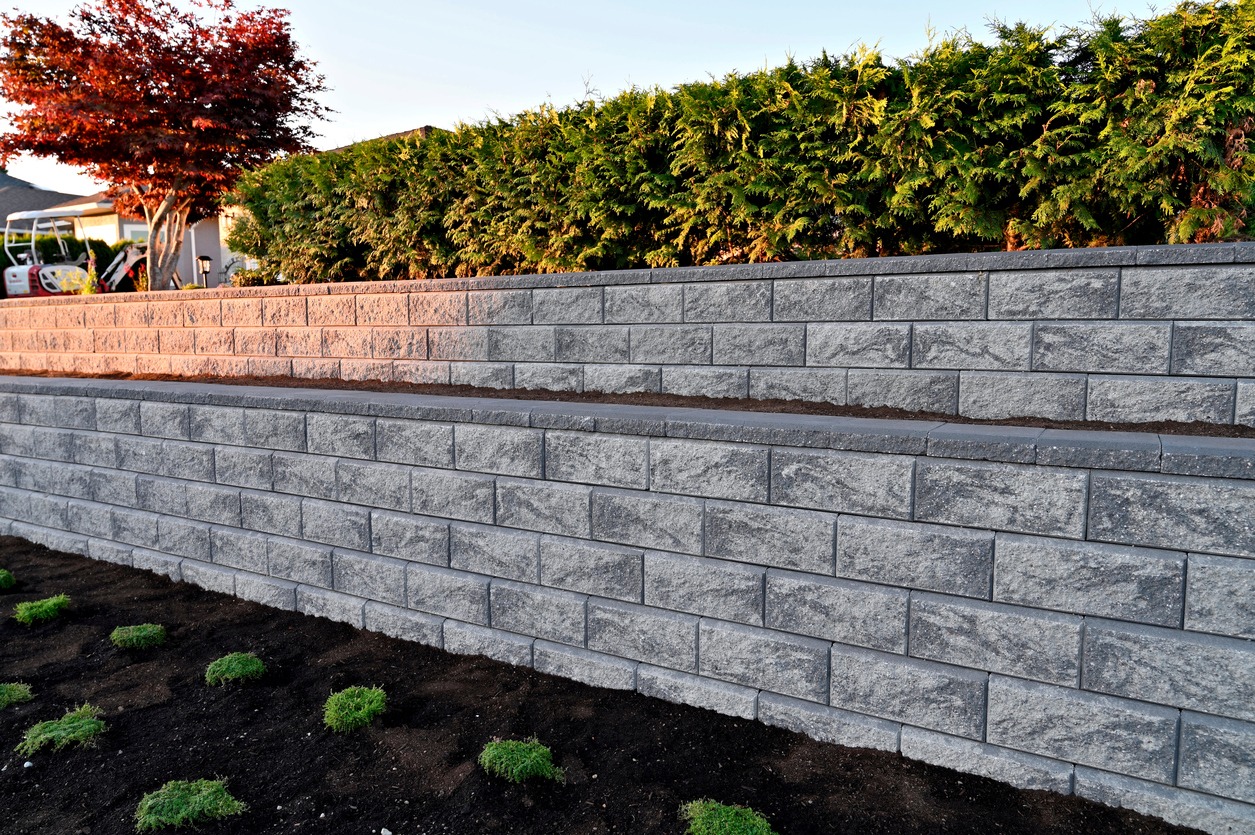
Retaining walls Wichita yards need are often required long before homeowners realize it, from eroding slopes to soggy low spots. Retaining walls in Wichita are one of those features people often need long before they realize it. A slope that sheds soil after every storm, a low spot that stays soggy, a yard that is too steep to actually use, these are all problems a well built retaining wall solves. But walls are also a real investment, so it helps to know when one is genuinely the right answer and when a simpler fix will do. This article walks through the clear signs that it is time to add a retaining wall, and what a good one does for your landscape.
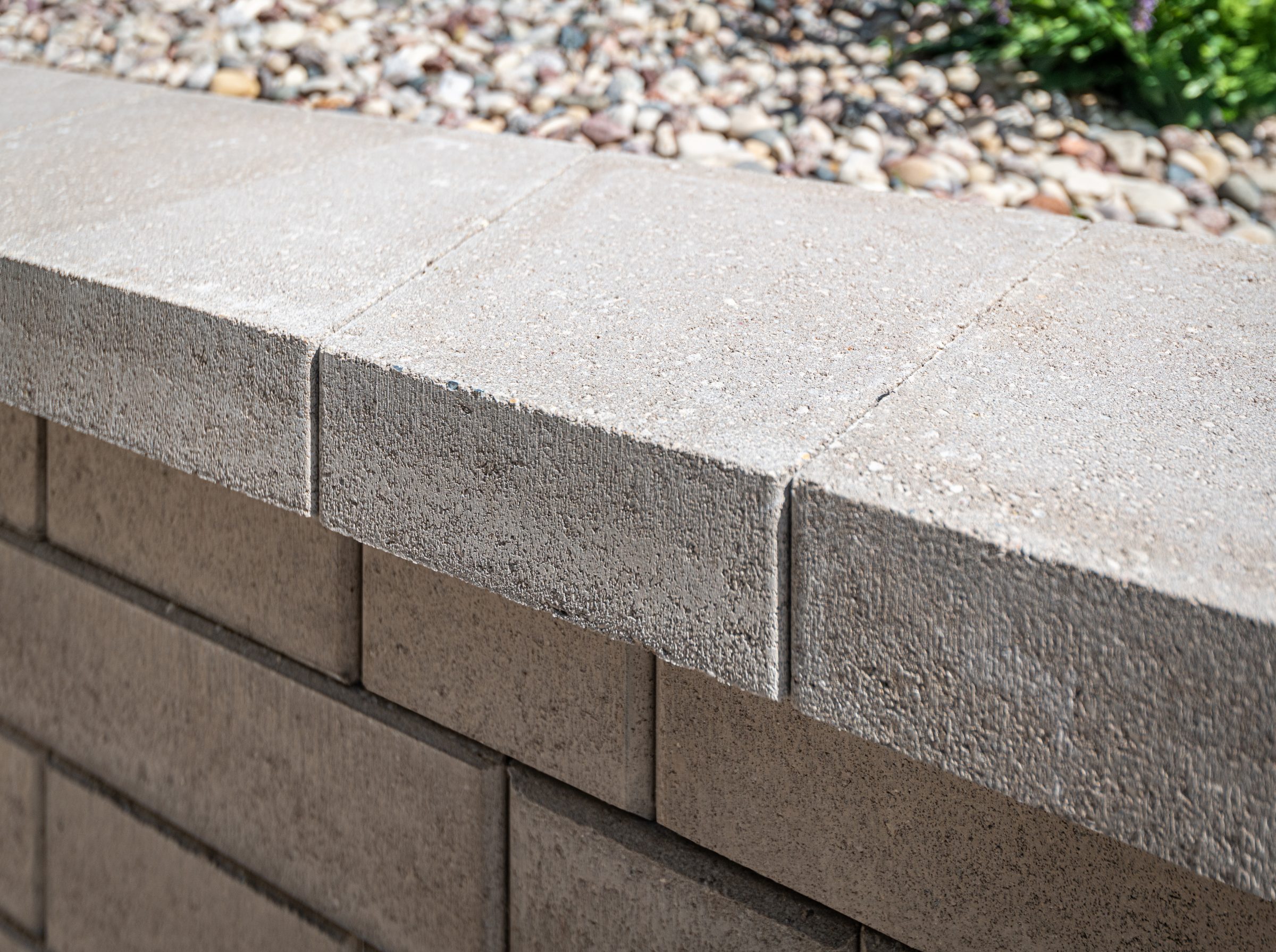
Signs it is time to add retaining walls Wichita yards need
There are a few unmistakable signals that a retaining wall is the right move. If soil or mulch keeps washing onto your patio or driveway after rain, if a slope in your yard is too steep to mow or use, if you see erosion cutting channels through a bank, or if part of your yard sits unusable because of grade, a wall can turn that problem area into functional, attractive space. The common thread is that gravity and water are working against you, and a wall is what puts the grade back under your control.
If you find yourself avoiding part of your yard because it is too steep, too eroded, or too wet at the bottom, that is usually the clearest sign of all.
Solving slope and reclaiming usable space
The most rewarding reason to build a wall is to reclaim space. A steep backyard that you can only look at becomes a level lawn or patio when you terrace it with a retaining wall. Instead of a bank nobody uses, you get flat, usable ground for a seating area, a garden, or a play space. On the many Wichita lots that slope away from the house, a well placed wall is often the single change that makes the whole yard usable, which is why it can be worth far more than its cost.
Stopping erosion before it costs you
Erosion is a slow problem that becomes an expensive one. Every storm that carries soil off a slope is undermining whatever is above it and clogging whatever is below. Left alone, it can threaten foundations, patios, and plantings. A retaining wall built with proper drainage stops that migration, holding the soil in place and channeling water where it should go. Addressing erosion with a wall early is far cheaper than repairing the damage it causes once it has been allowed to run for years.
Managing water and drainage
A retaining wall is also a drainage tool when it is built correctly. The right base, backfill, and drainage behind the wall relieve the water pressure that would otherwise push a wall over, and in the process they redirect water away from where it was causing trouble. This is also the detail cheap wall builders skip, which is why so many failed walls are leaning or bulging. A wall without proper drainage is a wall on borrowed time, so drainage is not an add on, it is part of the wall.
When you might not need a full wall
Honesty matters here too. Not every slope needs an engineered wall. A gentle grade might be handled with regrading and planting, and a very minor issue might be solved with a simple garden edge. Part of our job is telling you when a wall is overkill and a lighter fix will do. But when the slope is real, the erosion is active, or the space is genuinely unusable, a proper retaining wall is the durable answer, and half measures tend to fail and cost more in the long run.
What happens if you wait too long
Grade and erosion problems rarely fix themselves, and waiting usually makes them more expensive to solve. Every storm that carries soil off a slope undermines whatever is above it and deposits sediment below, and over time that migration can threaten patios, foundations, and plantings. A small erosion channel becomes a large one, and a slope that was merely inconvenient becomes genuinely unstable, which means more excavation and a bigger wall to correct later.
Addressing the problem while it is small is almost always cheaper than repairing the damage it causes once it has run for years. A modest retaining wall built now can prevent the kind of soil loss and instability that turns into a major project down the road. If part of your yard is actively eroding or becoming unusable, the cost of acting tends to rise the longer you wait, which is a strong argument for handling it sooner rather than later.
Common questions about adding a retaining wall
Do all slopes need a retaining wall? No. A gentle grade can sometimes be handled with regrading and planting, and a minor issue might only need a garden edge. A wall is the right answer when the slope is real, the erosion is active, or the space is genuinely unusable.
How do I know if my wall needs drainage? Essentially every structural retaining wall does. Proper gravel backfill and a drain line relieve the water pressure that would otherwise push a wall over, which is why walls without drainage are the ones that lean and fail.
Reading your yard after a hard rain
One of the most useful things a homeowner can do is watch their yard during and after a heavy Kansas rain, because that is when grade and drainage problems reveal themselves. Where water pools, which way it runs, whether it heads toward the house, and where soil is being carried off a slope all become obvious in a downpour. Those observations are exactly the information that determines whether a retaining wall, regrading, or a drainage solution is the right fix.
Bringing that firsthand knowledge to a site visit makes the assessment far more accurate. A contractor can read a lot from the lay of the land, but knowing how your specific yard behaves in a real storm fills in the picture and helps target the solution. If a slope is actively shedding soil or a low area stays wet long after the rain stops, those are the signs that make the case for a wall, and noticing them is the first step toward solving the problem.
Related reading from Bluestone
- Retaining Wall Cost, Options, and Use Cases in Wichita
- Seating Wall vs Standard Retaining Wall: Which One Fits Your Yard?
- Can a Retaining Wall Solve Yard Drainage Problems?
The Bluestone difference and your next step
We build retaining walls that solve the problem and stay solved, with proper base, backfill, and drainage that many installers skip. Bluestone builds to recognized ICPI and Unilock standards using materials engineered for Kansas, so your wall holds the line for decades. See our work on the outdoor living enhancements page. If a slope, erosion, or drainage issue is limiting your yard, request a consultation and we will assess it honestly and tell you whether a retaining wall is the right fix.
Tags: